MARCUS
ROSSKNECHT
   
0:00

Marcus Rossknecht / Berlin

What makes sound move people?

For more than thirty years I’ve explored that question through music, sound, technology and collaboration.

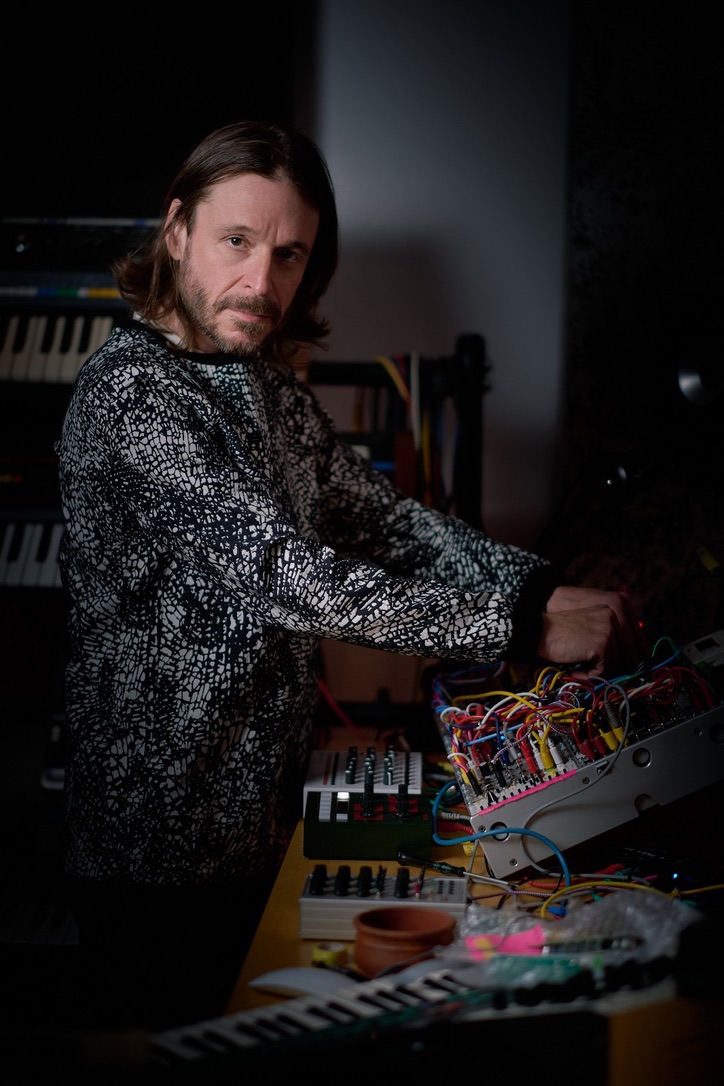
I’m a musician, producer, engineer and music technologist based in Berlin. I make records, develop instruments and ideas, build sound systems and create spaces for music, conversation and exchange.

The medium changes. The underlying interest does not: rhythm, sound, movement, people — and the point where technical decisions become emotional ones.

TIME FOR TIME ↓
Marcus Rossknecht

Different forms of the same work.

Music

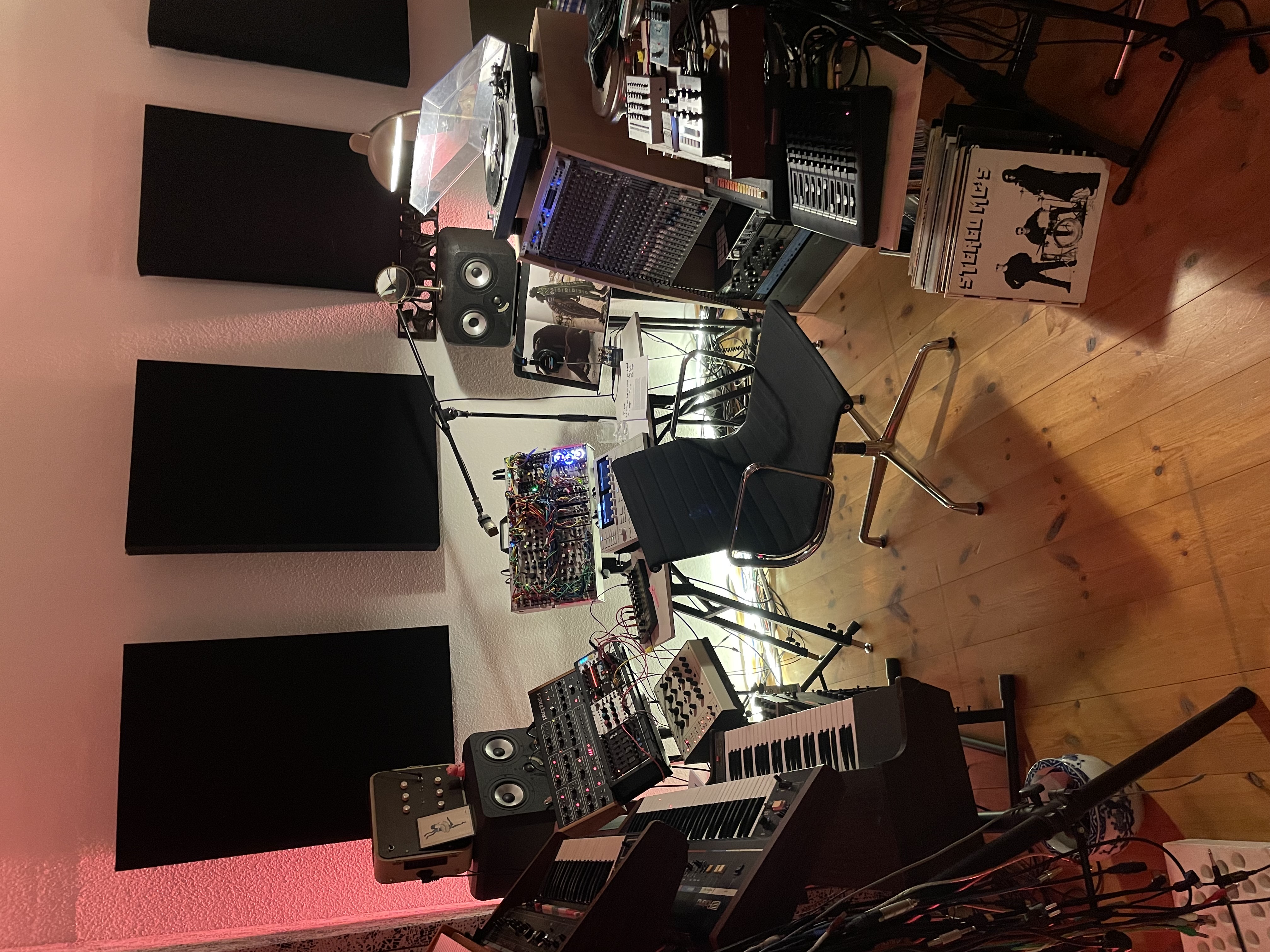
Music has always been the centre. I compose, produce, engineer, mix and perform — sometimes starting with an empty room, sometimes entering somebody else’s world and helping an idea become what it wants to be.

I’ve spent much of my life behind other artists rather than in front of them. I like that role. Listening, understanding what is already there and finding the decisions that make it stronger is a large part of what I do.

Music

Sound

I’ve always approached sound through making rather than theory: recording it, shaping it, breaking it, mixing it and listening again.

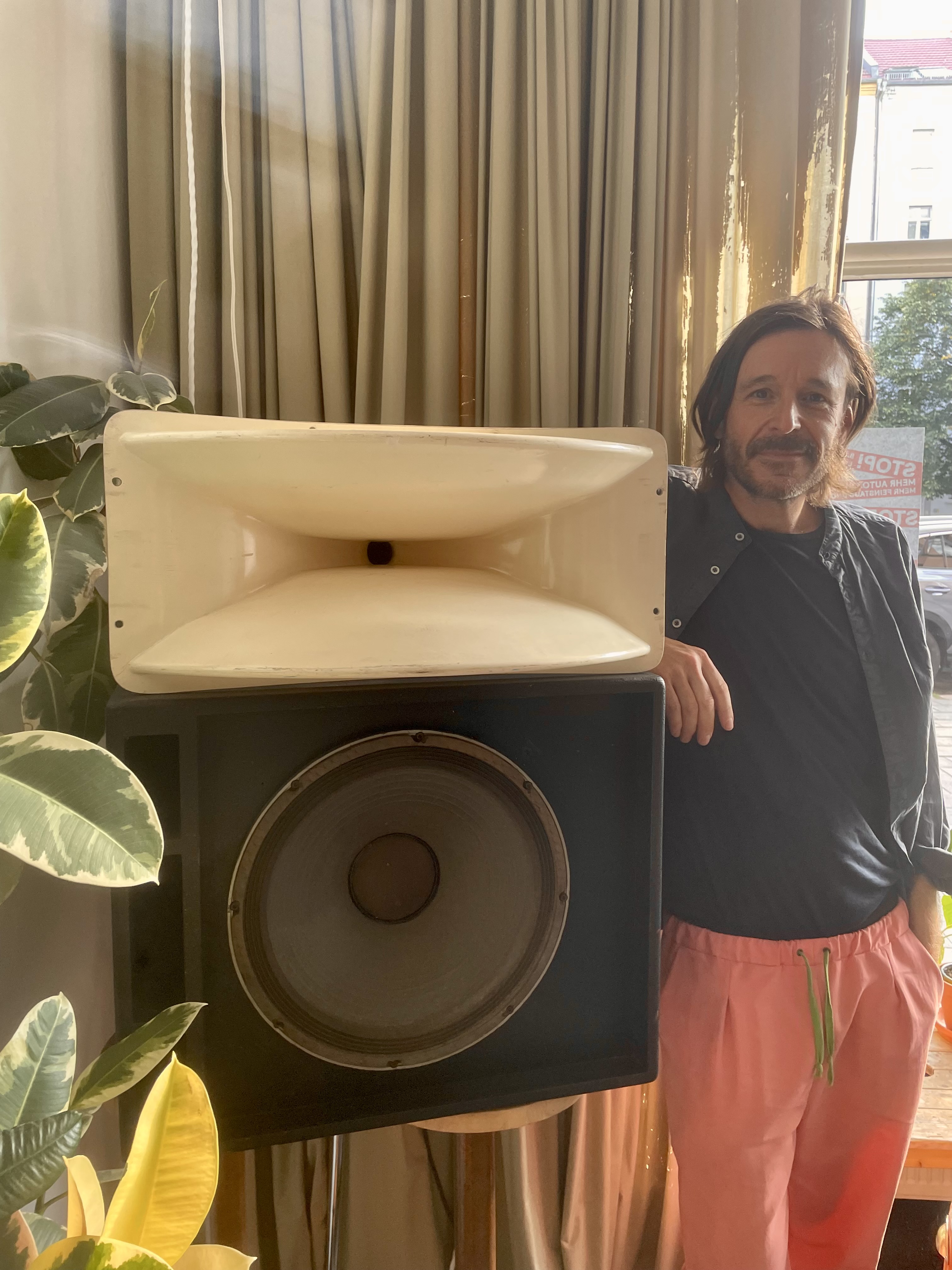
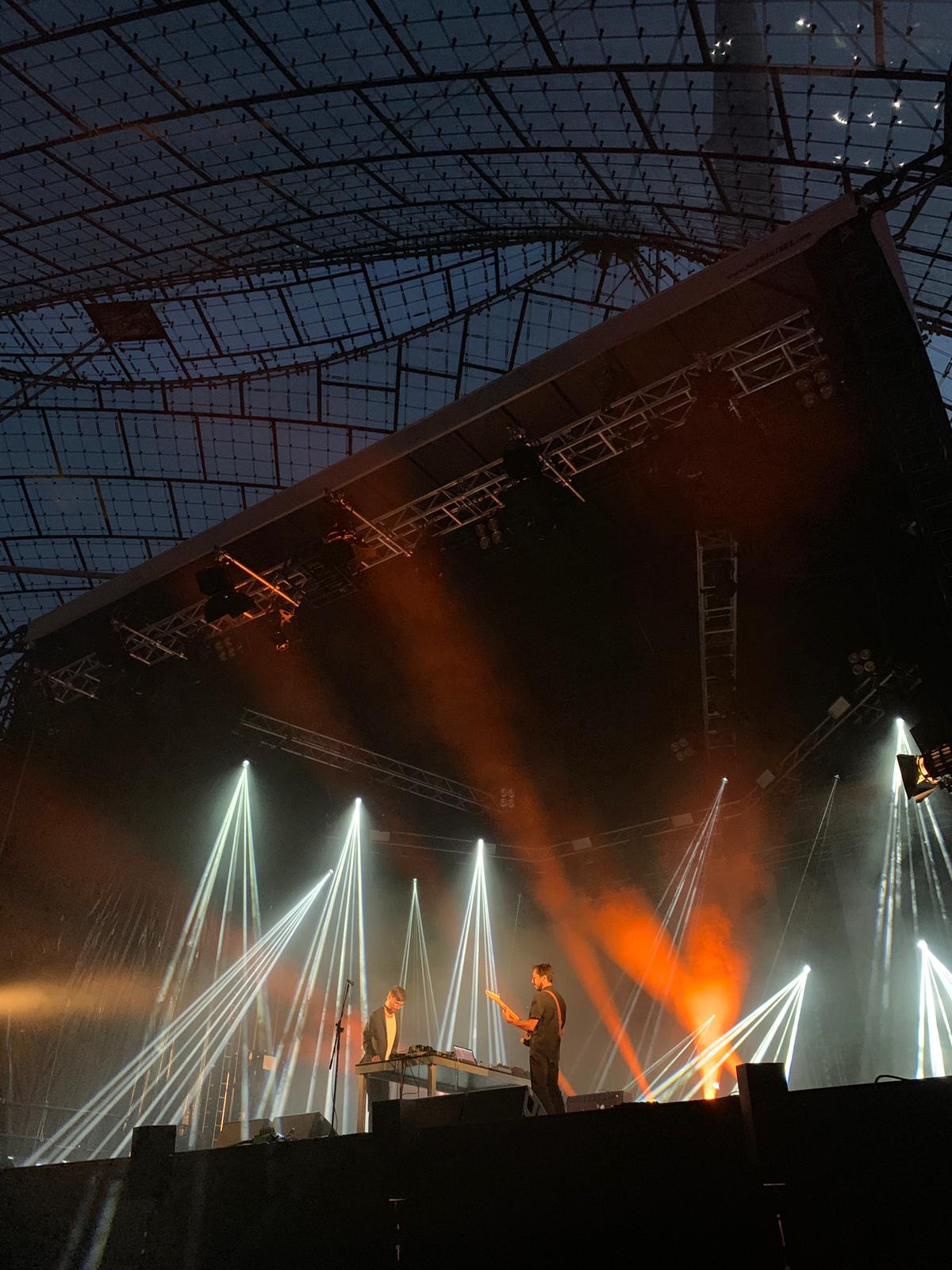
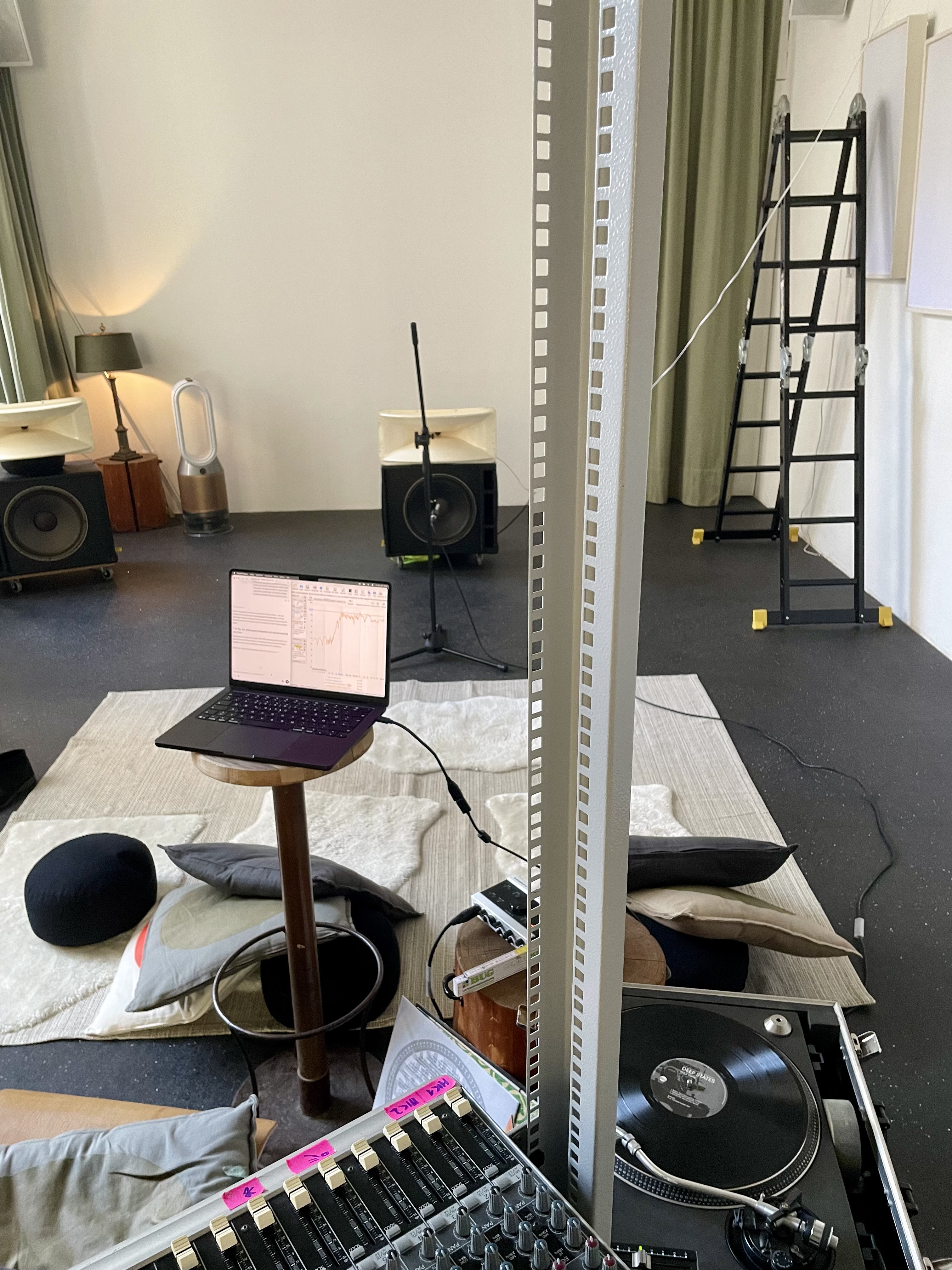
That curiosity now extends beyond the studio. I design and tune sound systems, think about acoustics and build listening environments — following the same question from the recording to the loudspeaker and finally into the room.

Sound

Technology

Technology interests me when it expands artistic possibility.

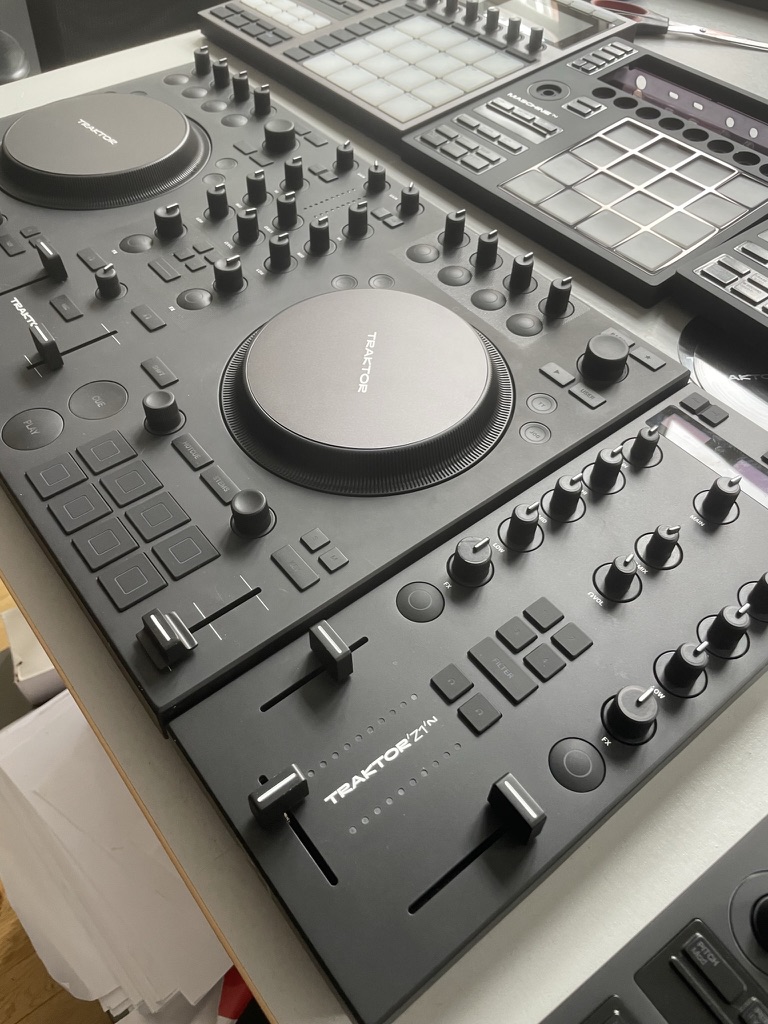
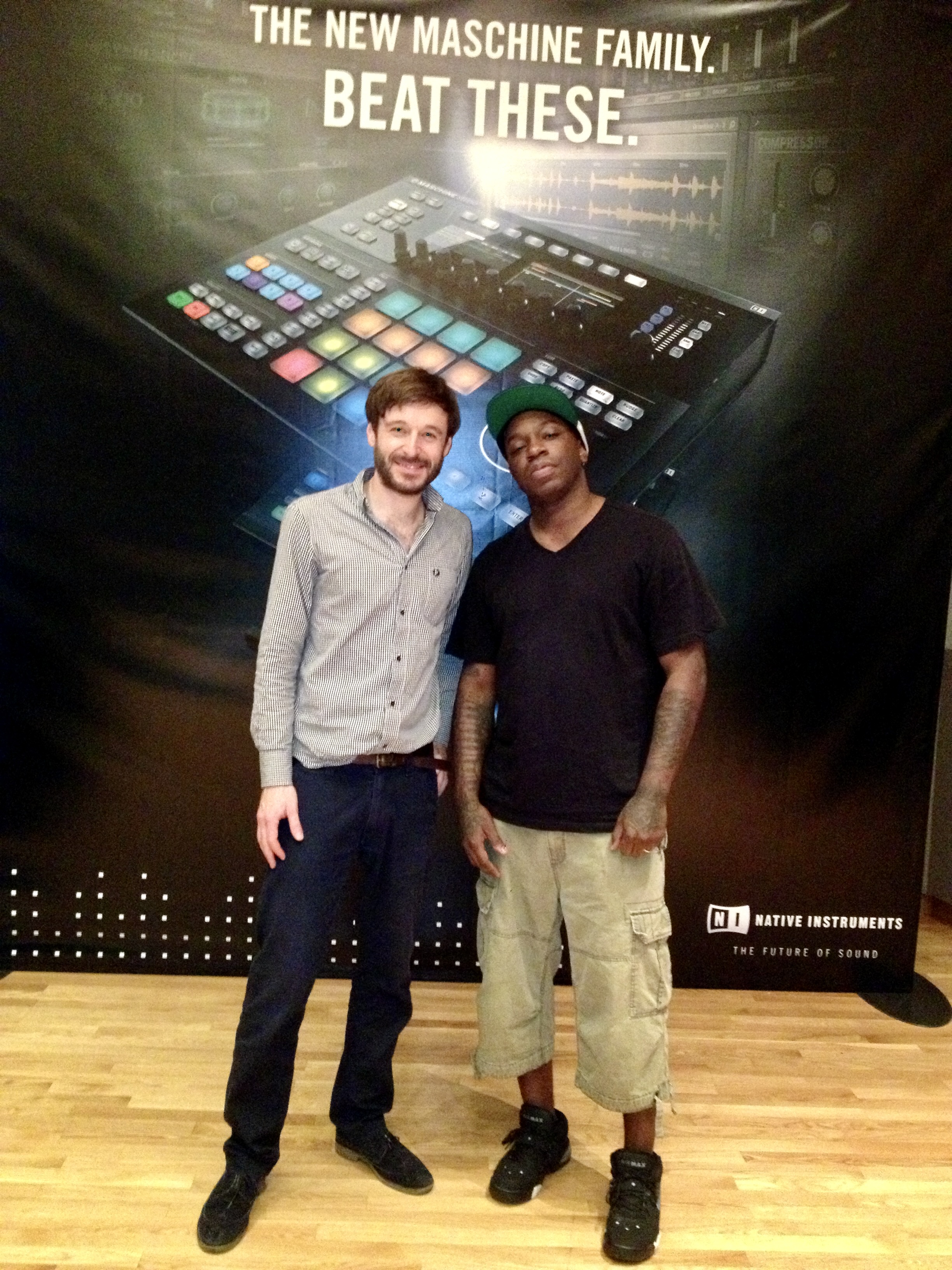
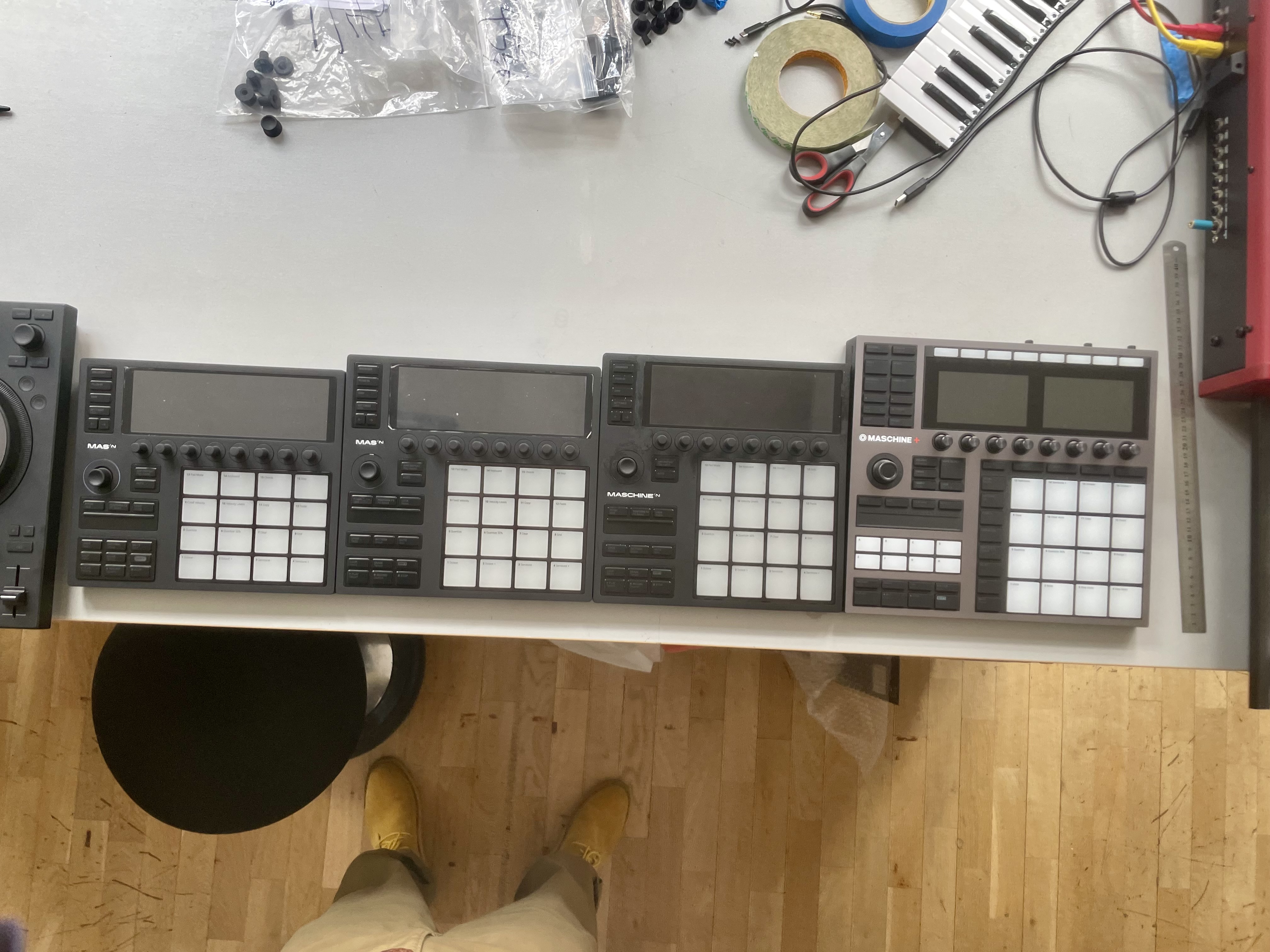
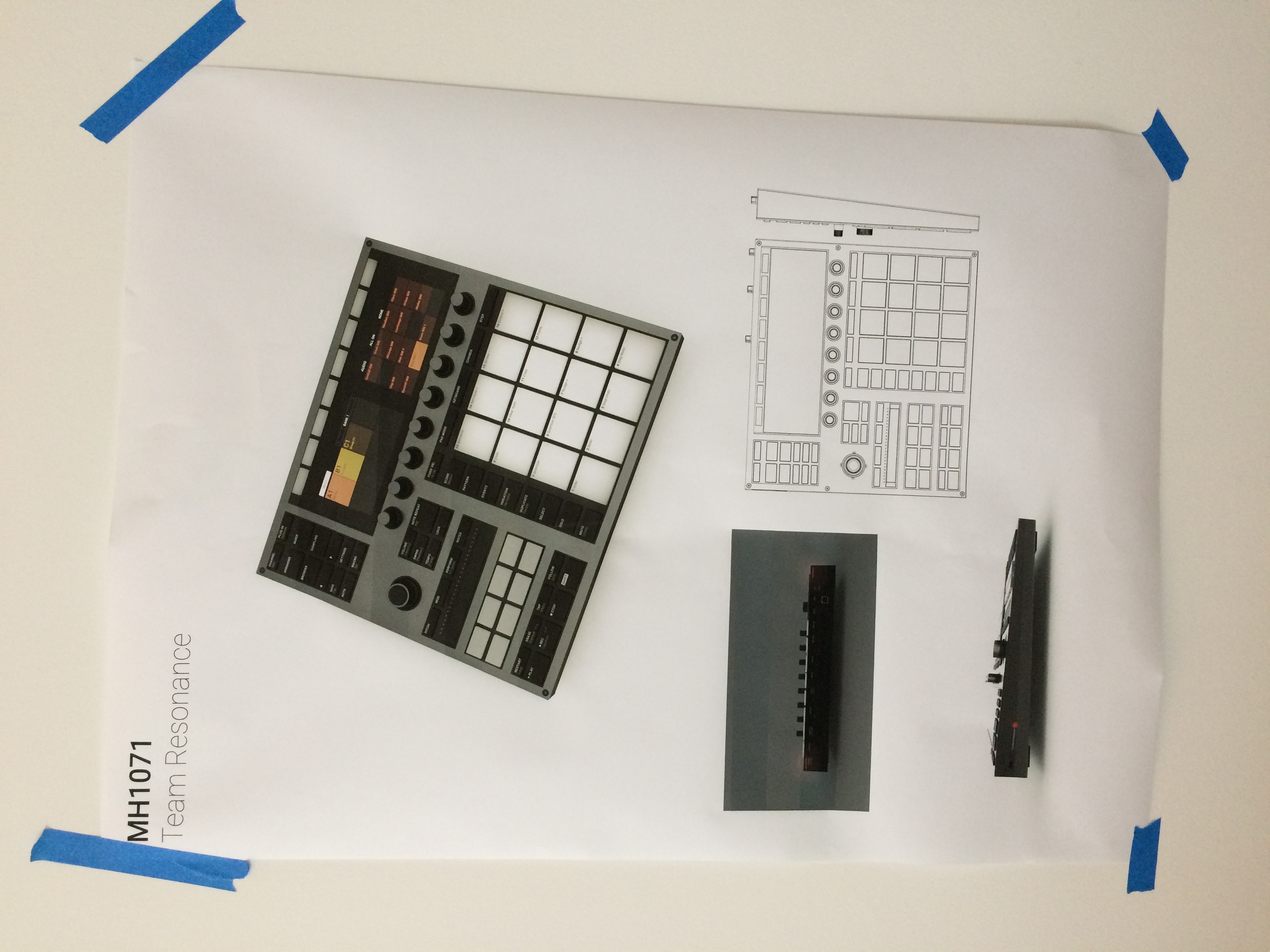
Fifteen years at Native Instruments took me deep into the process of building tools for musicians — from leading the MASCHINE brand to research, product and UX design. It taught me how musicians, engineers, designers and software teams can understand each other, and what happens when they don’t.

Technology

People & Spaces

Some ideas need more than a record or a product. They need a room, a sound system and people.

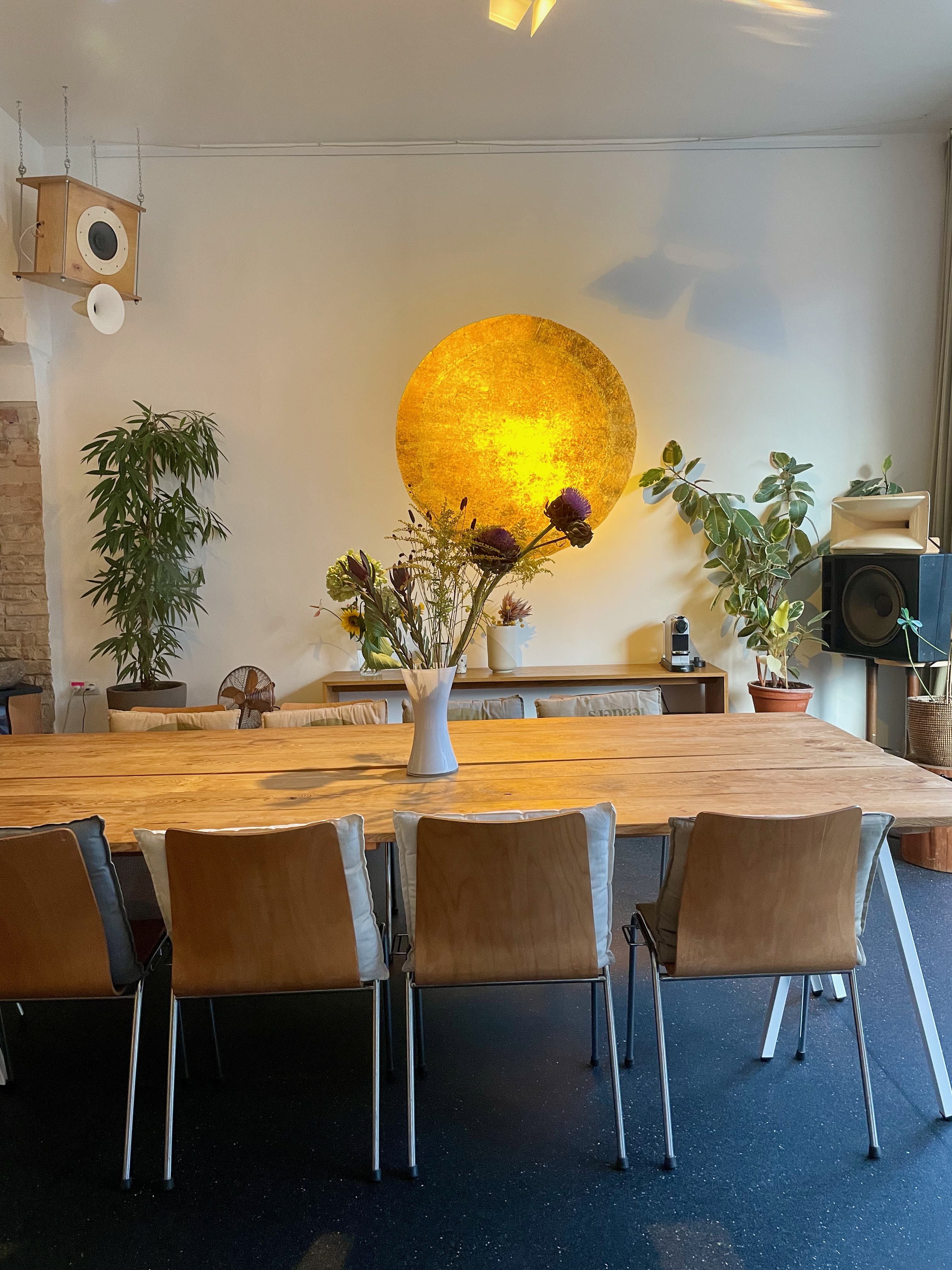
I’m part of the team running The Lovers & Leaders Space in Berlin-Mitte, where I oversee operations and technical production while developing my own programme around music, artists and technology.

The communities around the space currently reach far beyond music — from leadership and co-creation to wellbeing and new forms of working together. I’m interested in what can happen when these worlds increasingly begin to overlap.

People & Spaces

I never really followed a straight line.

1993

THE DANCEFLOOR

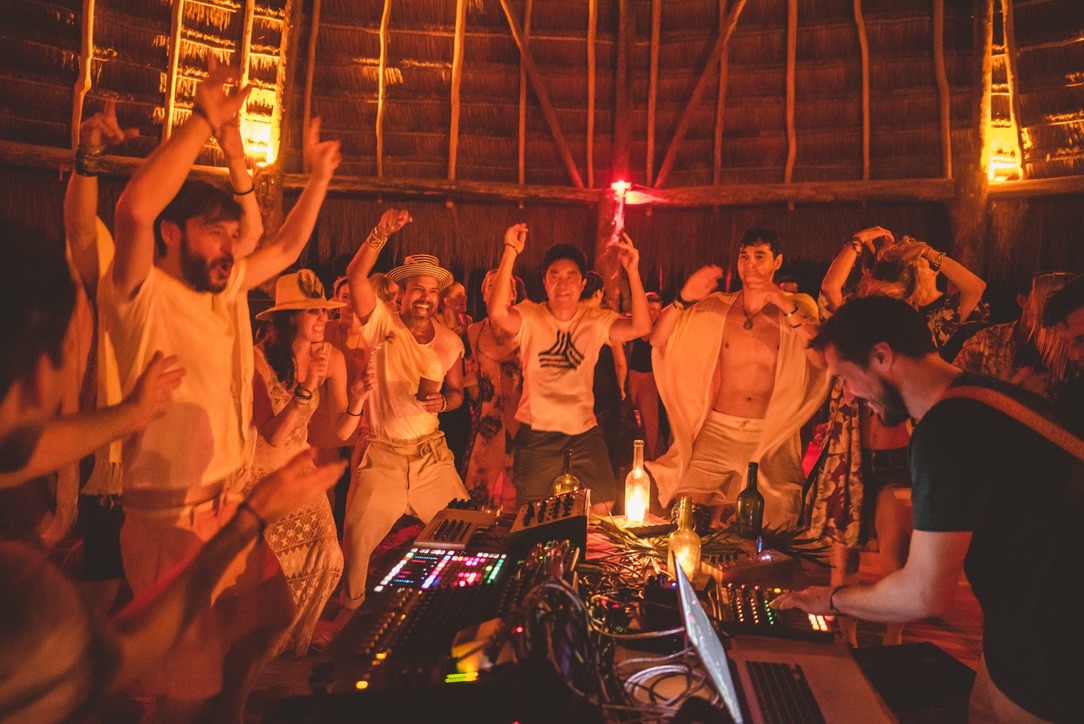
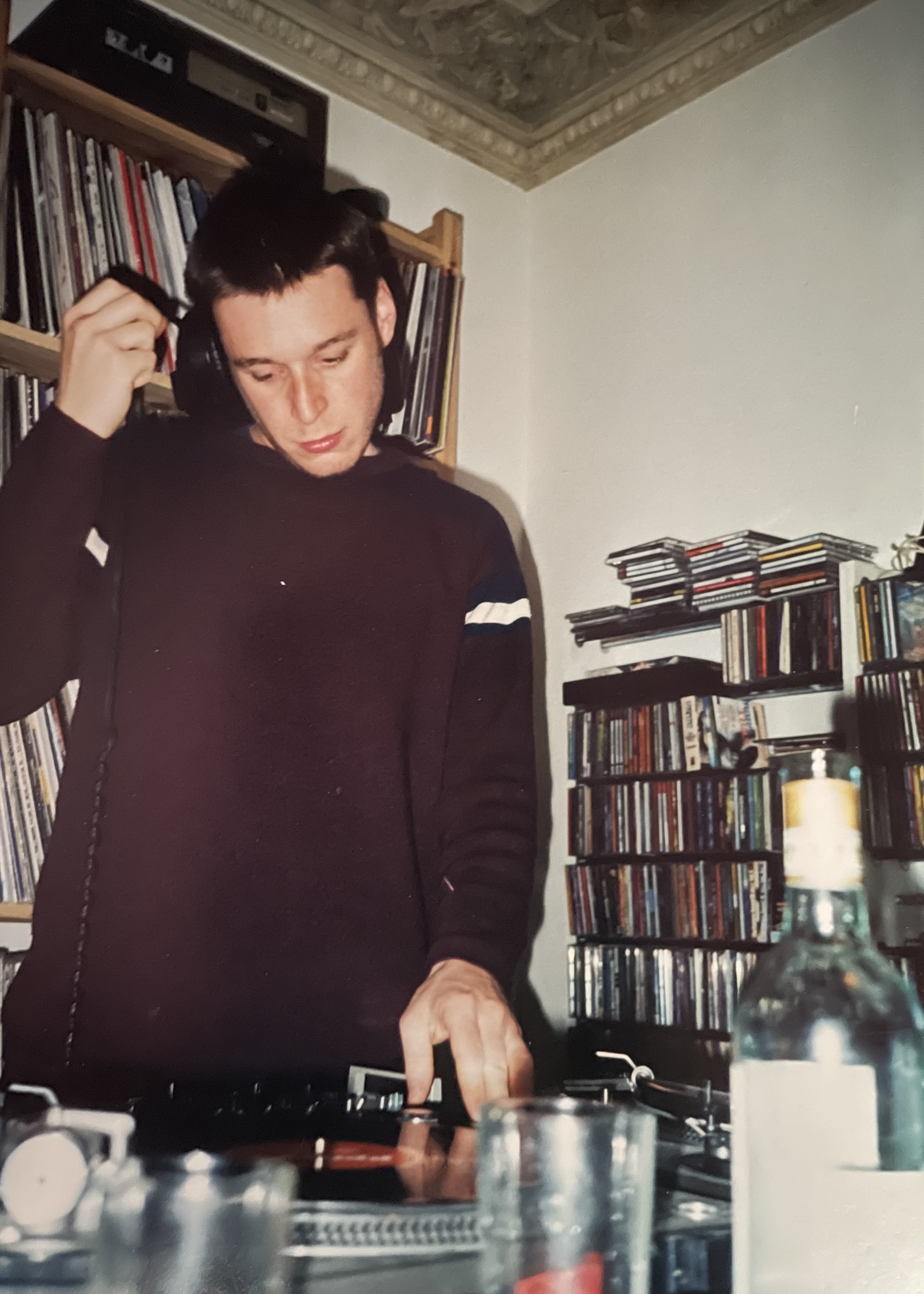
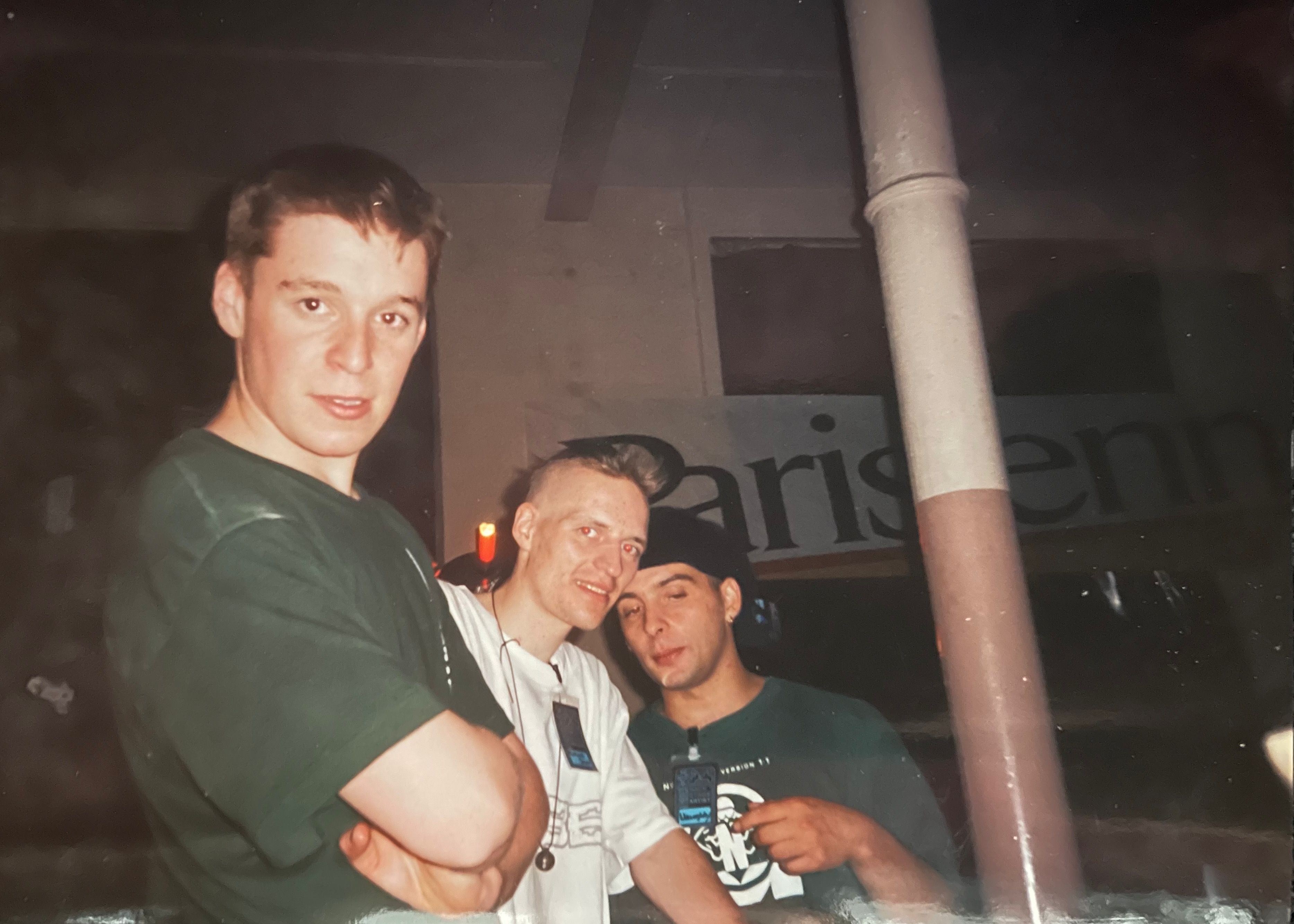
At sixteen I found myself playing back-to-back with Jeff Mills. DJing became the starting point — rhythm, sound systems and non-stop dancing, my first spiritual experience without realizing it.

1998

RECORDS & PRODUCTION

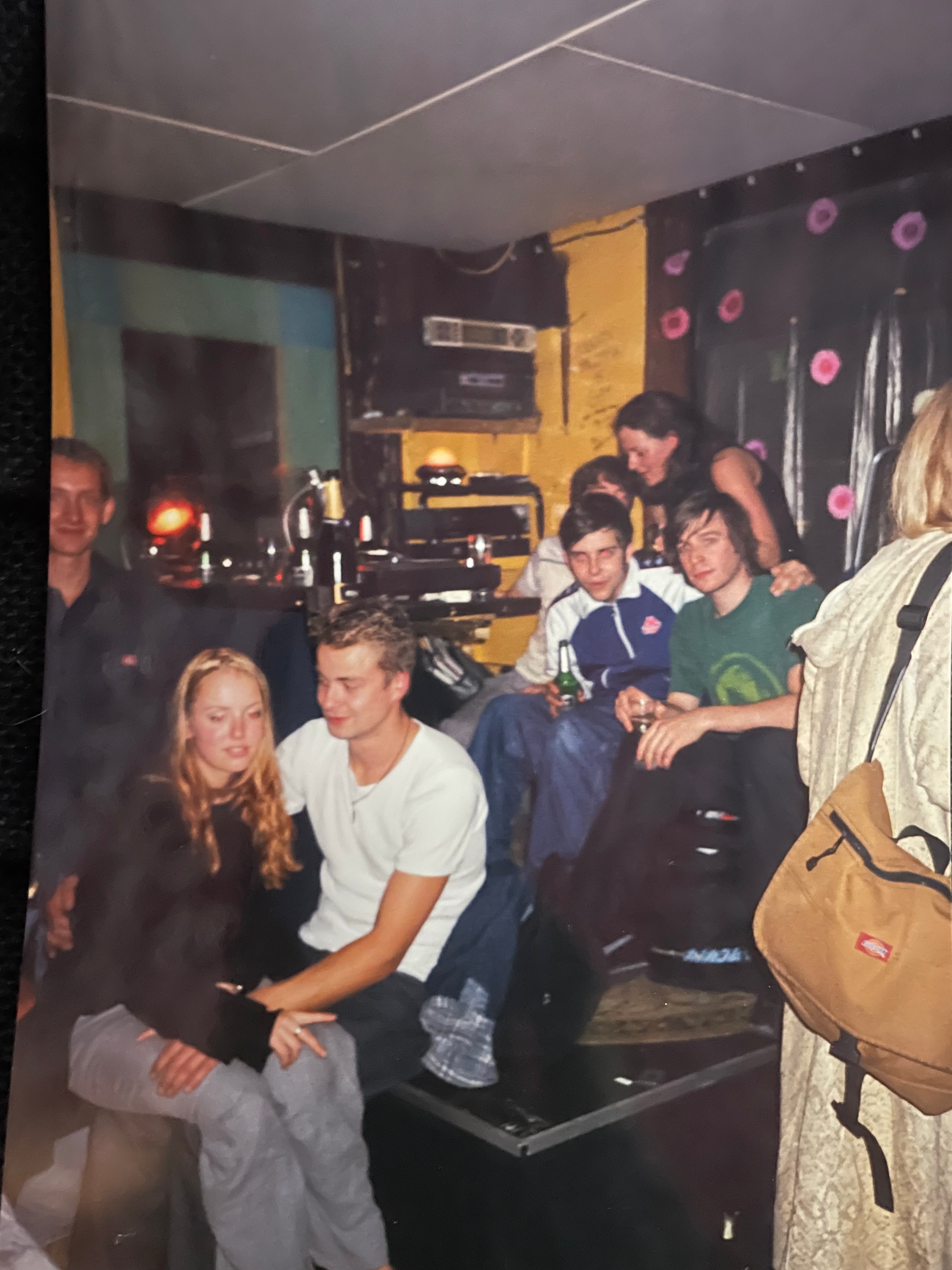
Golden Pudel Club. Parfüm. Andreas Dorau. Records moved me from the DJ booth into A&R, production, engineering and mixing.

2001

ARTIST & PERFORMER

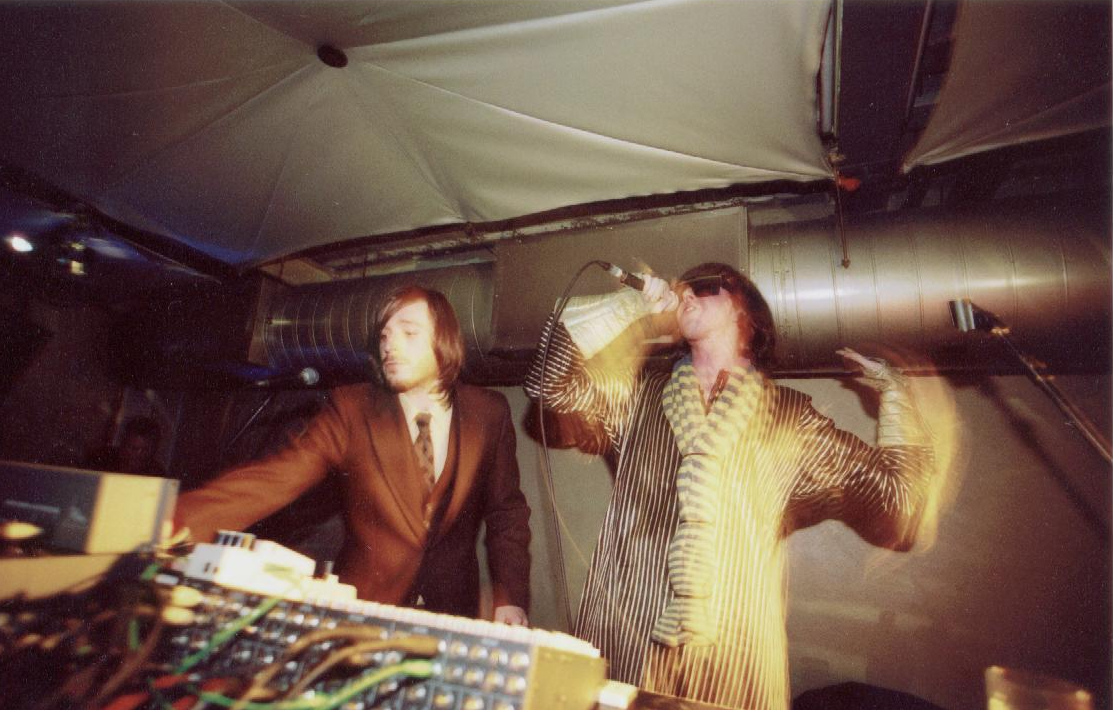
Barcelona. Nitsa. Meteorites. Matias Aguayo. DJing, producing, performing and touring internationally.

2008

MUSIC TECHNOLOGY

Fifteen years at Native Instruments - leading the MASCHINE brand, product strategy and producing lot's of artist videos. At its peak MASCHINE accounted for around 80% of the measured US groove-production market.

2019

PRODUCT DESIGN & INDEPENDENCE

From telling the story of instruments to helping design them - and eventually bringing music, sound, technology and independent practice back together.

+ EXPAND THE FULL STORY− CLOSE FULL STORY
1993
Learning the room before learning the studio.

Learning the room before learning the studio.

I started DJing as a teenager in southern Germany. Fascinated by the artform of leading the crowd through the night with just two turntables, a mixer and a well curated collection of vinysl, Techno & Jungle became my first real education in music, sound and co-creation.

Different rooms, crowds and systems taught me how radically context can change the same record - and how repetition, anticipation and volume can turn individual listening into a collective meditation.

1998
Hamburg: music business, underground resistance and opening up to pop culture.

Hamburg: music business, underground resistance and opening up to pop culture.

Moving to Hamburg put me inside several different parts of music culture at once. By day I worked in A&R and label environments; at night I was DJing and surrounded by Golden Pudel folks, the Parfüm collective and a network of musicians, designers and artists who rarely separated music from everything around it.

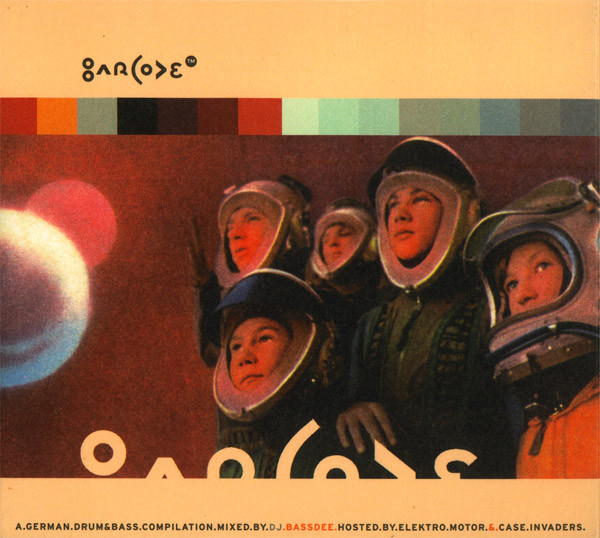
At Elektromotor / Motor Music / Polygram I became the driving force behind Barcode, the first German drum & bass compilation. Running our own small label Parfüm at the same time taught me the opposite end of the scale: how records come into existence when there is no large organisation behind them. Those two perspectives — institution and independence — have stayed with me ever since.

1999
The studio becomes another instrument.

The studio becomes another instrument.

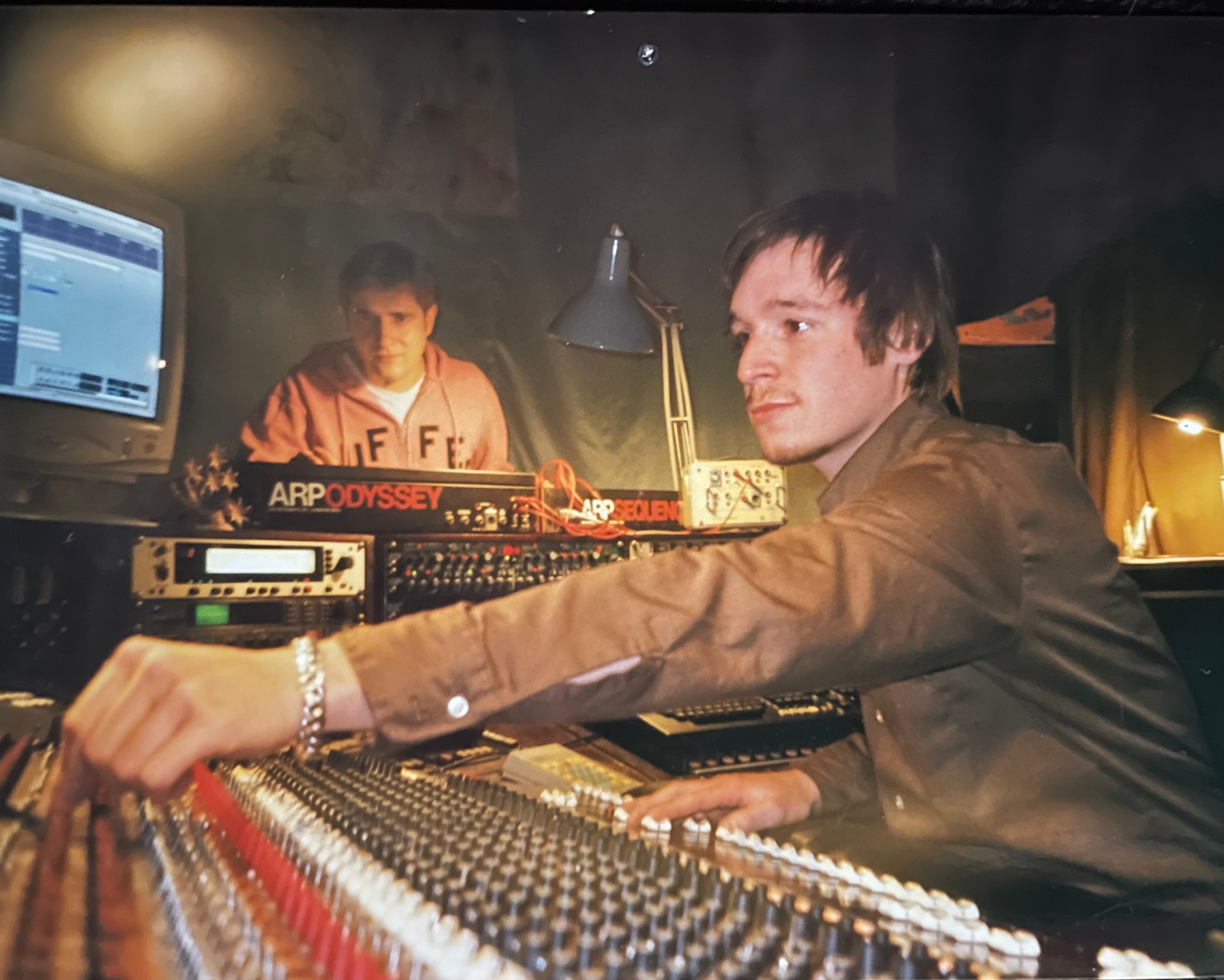
Working with Andreas Dorau gradually moved me deeper into production, engineering and mixing. The sessions were rarely about technical perfection for its own sake. They were about finding the one sound, edit, arrangement decision or accident that made a song unmistakably itself.

Over the following years I worked across numerous recordings and remixes with Andreas and other artists. It was where I learned one of the principles that still guides my production work: the producer does not need to dominate the music. Sometimes the most important contribution is recognising what is already interesting and creating the conditions for it to become clearer.

2001
Barcelona changed the scale of my world.

Barcelona changed the scale of my world.

A residency at Nitsa brought me to Barcelona, but the city quickly became much more than a place to DJ. I stayed for three years and became part of an international community of musicians, artists and club people at a moment when Barcelona felt unusually open and culturally fluid.

With Max Turner I started Meteorites almost accidentally. We had borrowed instruments, very little equipment and no real plan. Within a year the project had taken us to Sónar, John Peel and The End in London, opening for Peaches. More important than the speed of it was the lesson: a strong musical identity did not have to begin with virtuosity, genre purity or expensive tools. Curiosity and chemistry could be enough.

2005
Latin America enters the picture.

Latin America enters the picture.

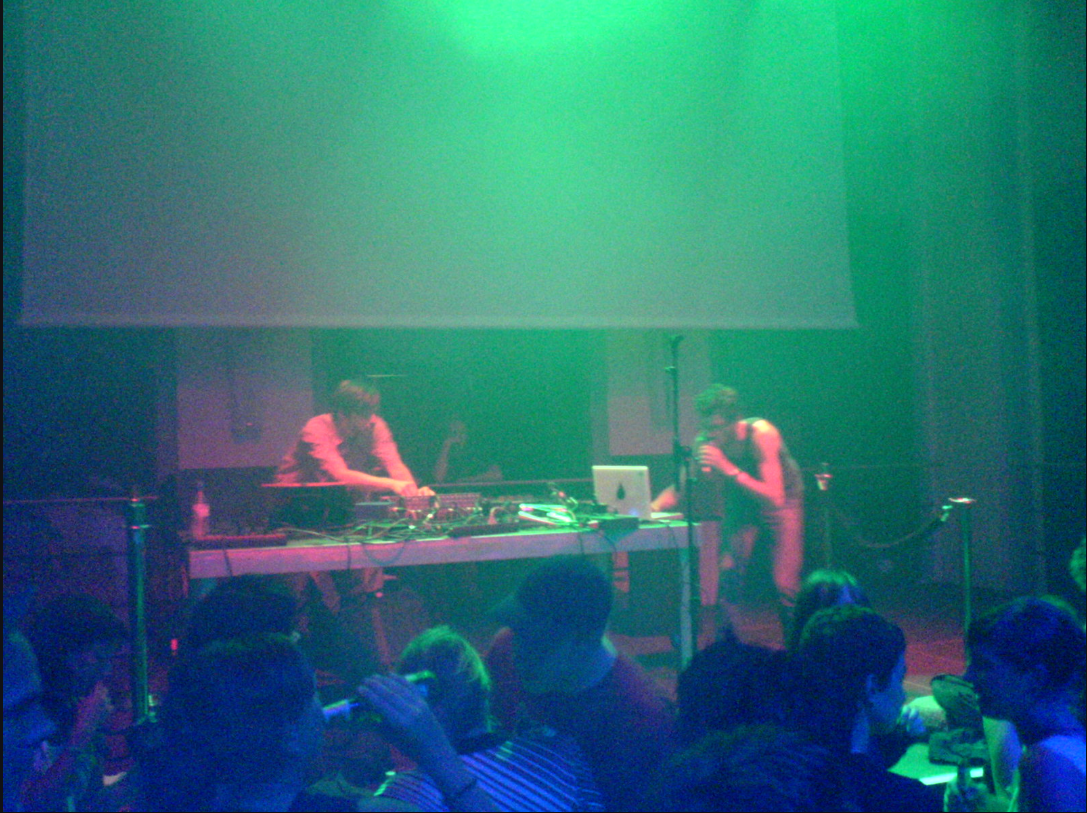
My collaboration with Matias Aguayo began in the studio and expanded far beyond it. I co-produced, engineered and mixed his debut album Are You Really Lost for Kompakt, and we continued making music together as BROKE while touring internationally over the following years.

Through Matias and those travels I became increasingly connected to Latin America - its rhythms, languages, people and ways of thinking about music socially. That influence has never really disappeared. It later informed KEOPE, my work with artists across the region and, much later, GOD ON TRIP. It also reinforced something I had already begun to understand in Barcelona: some of the most interesting music appears between cultures rather than inside a single one.

2008
Entering music technology from the musician’s side.

Entering music technology from the musician’s side.

I originally joined Native Instruments as a side job while continuing to produce and mix records. Instead, it became a fifteen-year immersion in how musical tools are imagined, built, positioned and used.

I arrived with the perspective of a working musician rather than a technology specialist. That became useful. As MASCHINE developed, I could move between artists, engineers, product teams and audiences and often translate what one group meant to another. Leading the MASCHINE brand was therefore never only marketing to me; it was a way of helping define what the instrument was, who it was for and the culture it belonged to.

The commercial growth was substantial, but what stayed with me was the much harder question underneath it: why does one tool become part of somebody’s musical language while another remains just a piece of technology?

2010s
Listening to how musicians work around the world.

Listening to how musicians work around the world.

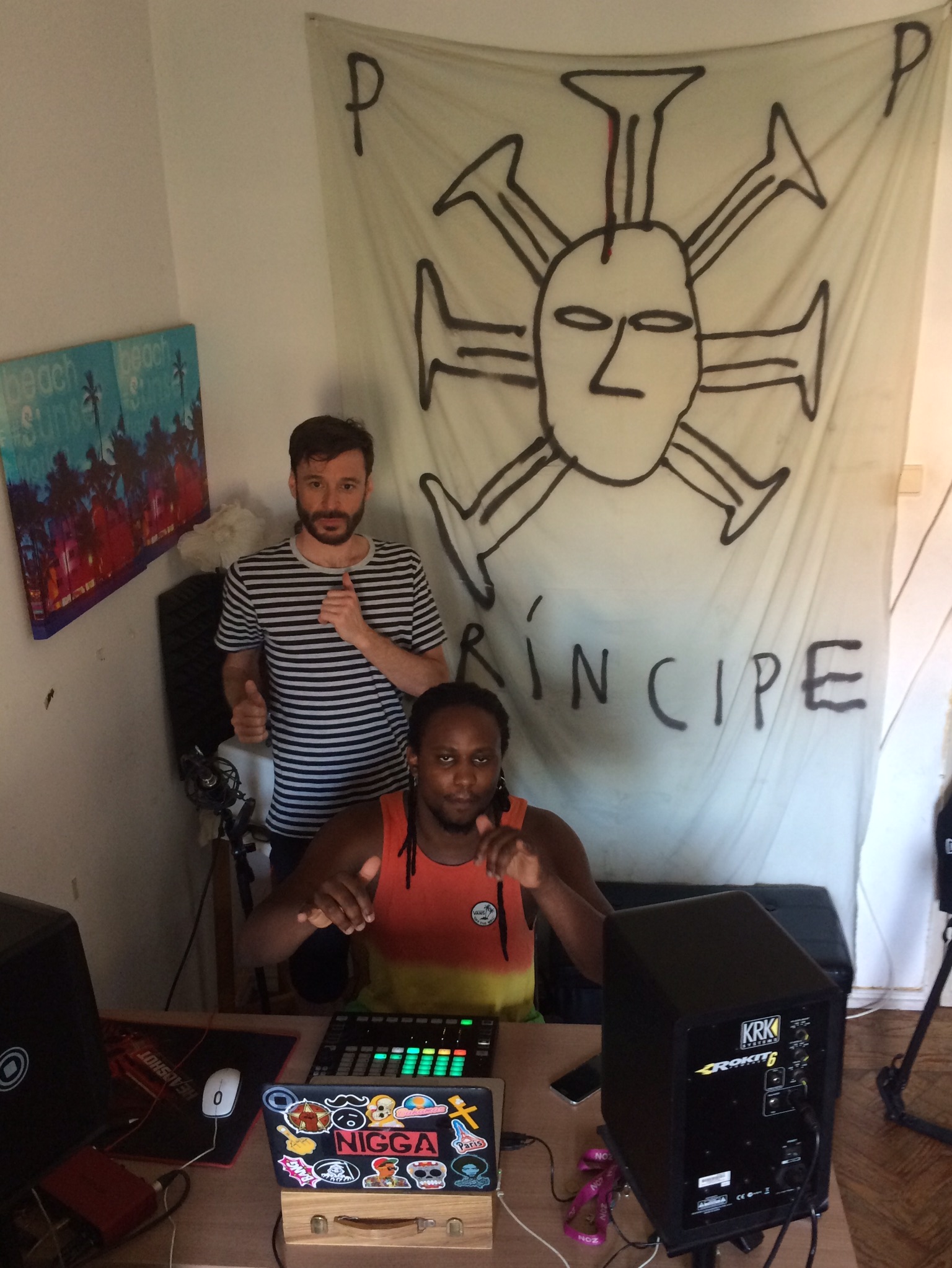
Native Instruments gave me access to an extraordinary range of musical worlds. I spent years developing collaborations and producing artist and product films with musicians, producers and beatmakers in Los Angeles, Atlanta, Bogotá, London, Lisbon, Amsterdam, Tokyo and elsewhere.

The interesting part was rarely celebrity. It was observing process: how a hip-hop producer in Atlanta, an electronic musician in Lisbon or an experimental artist in London might understand rhythm, instruments and technology completely differently. My job was to listen closely enough to represent those differences without flattening them into advertising.

That period also changed how I think about communication. The strongest story usually already exists inside the work. Creative direction is often the process of finding it rather than inventing one from outside.

2017
KEOPE — returning to the stage with fewer boundaries.

KEOPE — returning to the stage with fewer boundaries.

After years spent largely behind artists, products and cameras, KEOPE brought me back into making and performing music as a central practice. The collaboration grew from improvisation rather than a fixed stylistic idea: modular synthesis, drum machines and Toni Bruna’s electric guitar meeting somewhere between electronic dance music, song and repetition.

Releasing through Frank Wiedemann’s Bigamo imprint and performing in Europe, Morocco and Mexico put me back into the direct feedback loop of making music for a crowd. KEOPE also became a counterweight to increasingly structured professional work — a place where not knowing what would happen next was part of the method.

2019
From explaining instruments to helping design them.

From explaining instruments to helping design them.

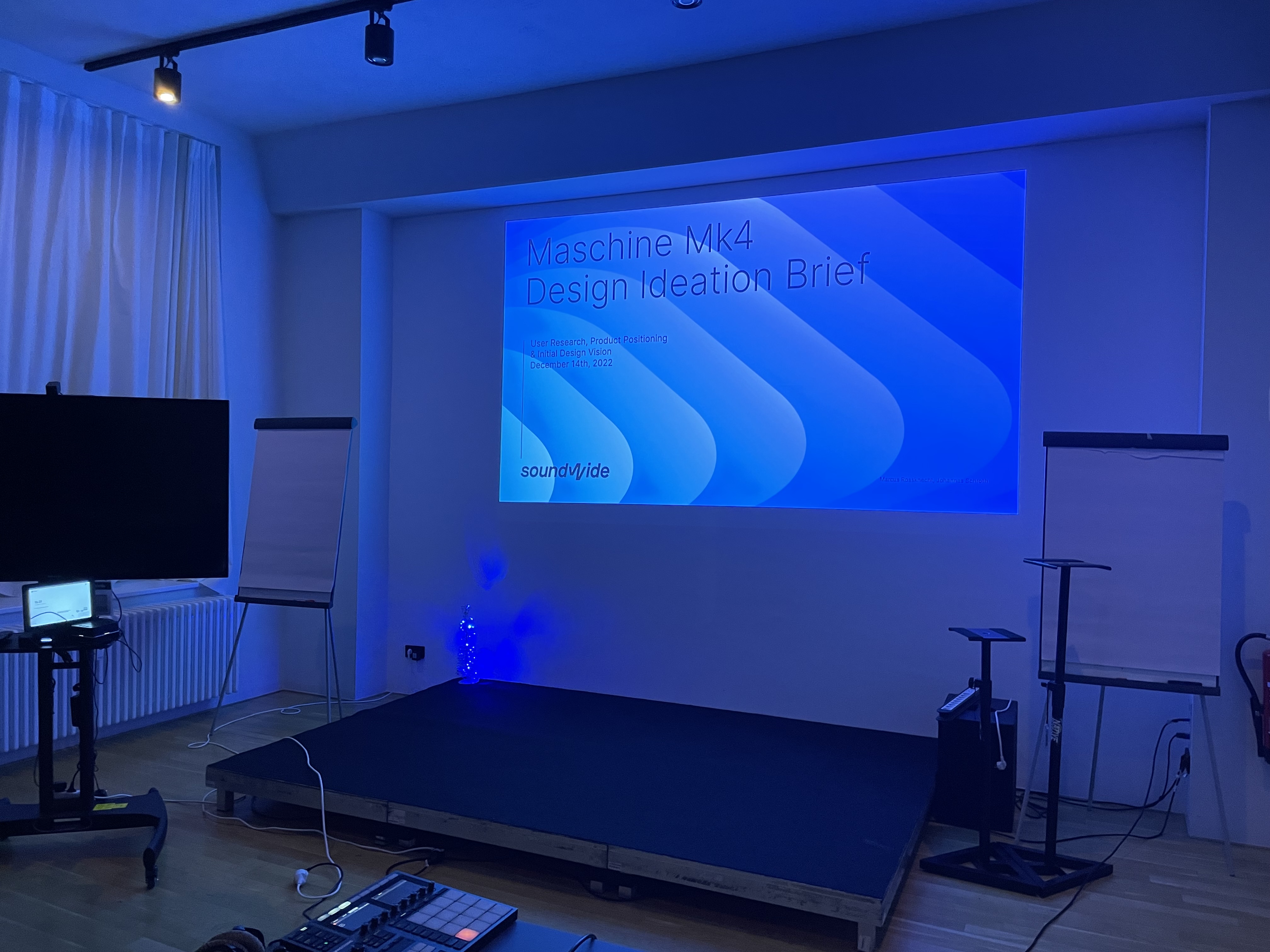
After more than a decade around MASCHINE from the brand and artist side, I became increasingly interested in the decisions made before a product reaches the public. I moved into Native Instruments’ Products department, working first in market and user research and later in product and UX design.

It meant learning a different language: research methods, interaction design, prototypes, requirements and the compromises involved in turning an idea into something thousands of musicians can actually use. At the same time, I could bring decades of practical music-making into rooms that were often dominated by technical or business perspectives.

The shift completed a circle for me. I had gone from using instruments, to communicating them, to participating in their design.

2025
Independent again — but not starting over.

Independent again — but not starting over.

Leaving Native Instruments was less a reinvention than a chance to bring parts of my life back together that had gradually become separated by job titles. Music production, technology, sound, storytelling, spaces and collaboration now sit next to each other again.

Today that means producing and releasing music through Groove Script, developing GOD ON TRIP and KEOPE, working with artists such as Laura Largillier, experimenting with loudspeaker and sound-system design, and helping shape The Lovers & Leaders Space in Berlin-Mitte.

I’m also returning to an older idea with Rossknecht’s Bodega: creating situations where artists, music, technology and audiences can meet directly. After more than thirty years, the thread feels surprisingly consistent. I’m still interested in what happens when sound moves from an idea, through a tool and a room, into other people.

Where the work lives today.

KEOPE

Music / Live

KEOPE

My long-running live project around rhythm, repetition, synthesis and the physical energy of electronic music — released through Frank Wiedemann’s Bigamo imprint and performed across Europe, Africa and Mexico.

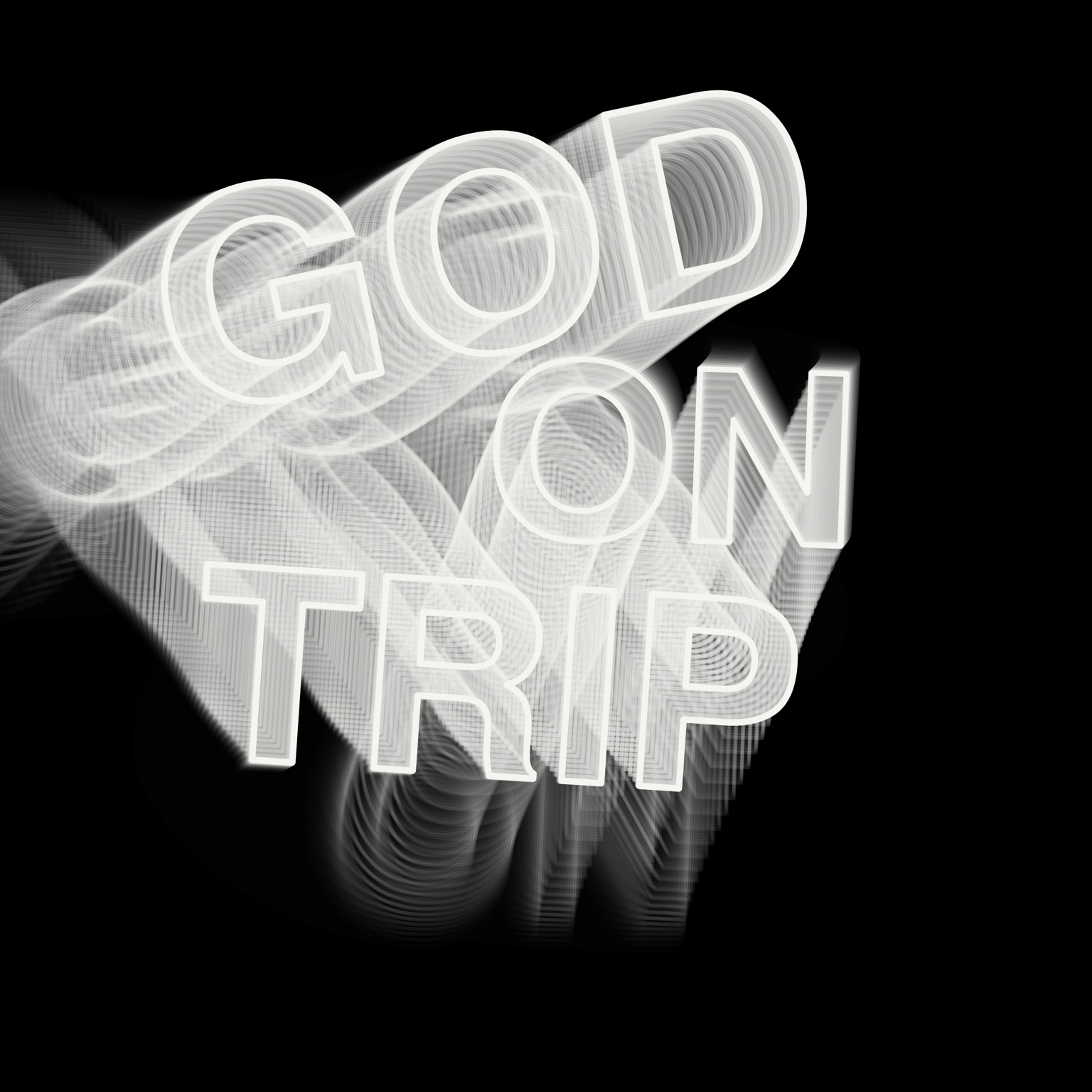
GOD ON TRIP

Music / Production

GOD ON TRIP

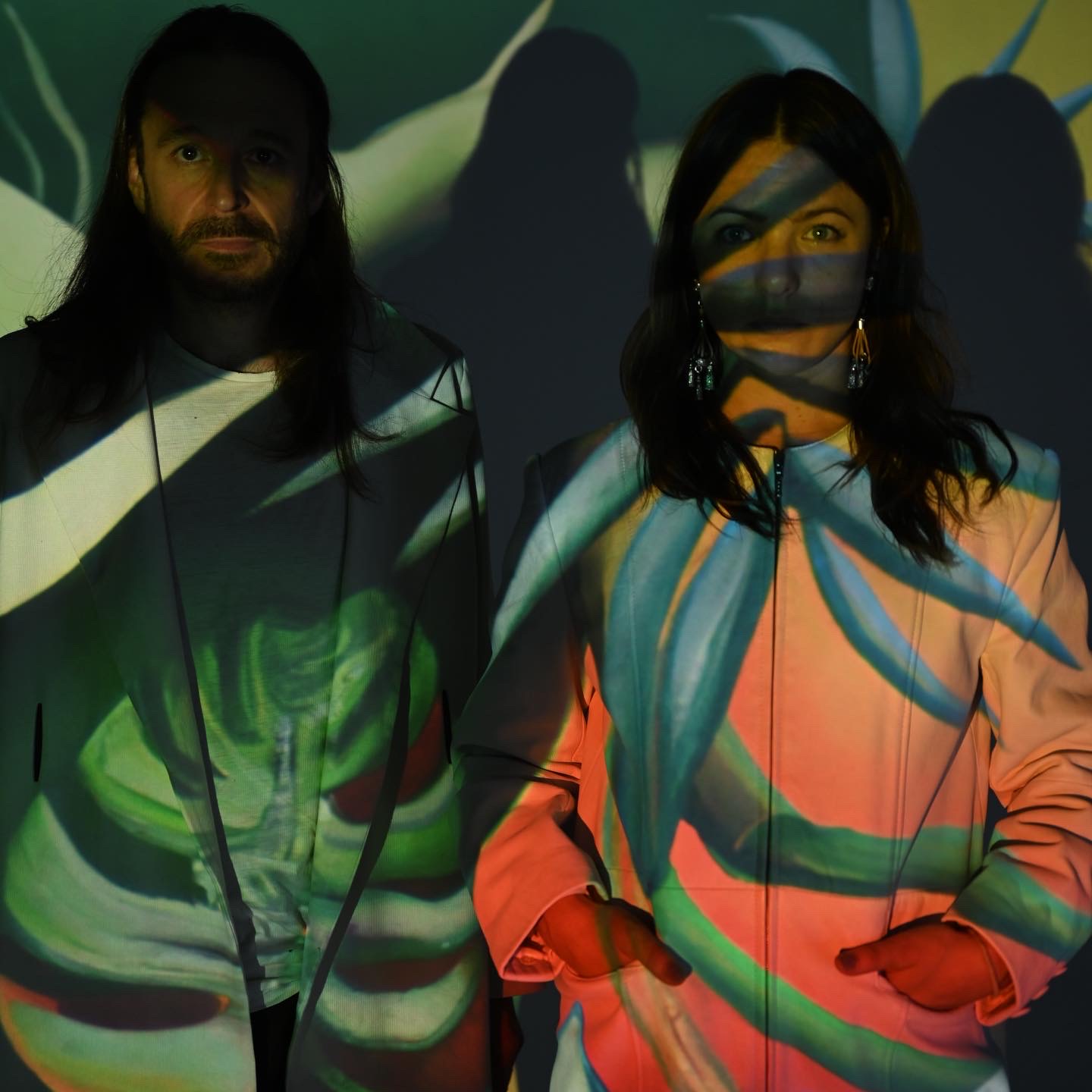
A collaboration with Colombian vocalist and multi-instrumentalist Paulo Olarte, bringing contemporary electronic production into conversation with Latin American musical traditions.

Laura Largillier

Music / Production

Laura Largillier

An ongoing studio collaboration with French singer and songwriter Laura Largillier — turning voice, lyrics and rhythm into songs that move between electronic production, intimacy and experimentation.

Groove Script

Label / Platform

Groove Script

My independent platform for rhythm-focused music releases, collaborations and long-term creative projects. Less a conventional label than an infrastructure for music I believe in and want to help bring into the world.

Lovers & Leaders

Space / Operations

Lovers & Leaders

I’m part of the team running our community and event space in Berlin-Mitte, overseeing operations and technical production while gradually bringing more of my own music, sound and technology practice into the space.

Music Technology

Product / Strategy / Design

Music Technology

I continue to work behind the scenes on ideas around musical instruments, software and new ways of making music; bringing together product thinking, artist perspective, UX, positioning and more than three decades of practical music-making.

Rossknecht’s Bodega

Music / Artists / Technology

Rossknecht’s Bodega

Originally started in 2009 and now taking shape again at The Lovers & Leaders Space: a gathering around music, artists and technology, built around conversations, works in progress, performances, DJ sessions and shared perspectives.

Coming soon!

One hour of my time for one hour of yours.

TIME FOR TIME

An hour is an hour.

I’ve spent more than thirty years learning how to make things with music, sound and technology.

I can produce your record. Engineer or mix it. Help develop an instrument, music software or an idea that doesn’t exist yet. Think through an artist project. Work on a studio or sound system. Develop a film, an event or something that doesn’t have a name yet.

I could put an hourly rate on all of those things.

For now, I’m trying something else.

One hour of my time for one hour of yours.

This isn’t about comparing rates or deciding whose work is worth more. Your profession doesn’t need to have anything to do with mine.

Tell me what you do. Tell me what you need from me. And tell me what you would like to offer in return.

PROPOSE AN EXCHANGE ↗

OCCASIONAL EMAIL UPDATES

New music, technology, events and things I’ve been thinking about.