
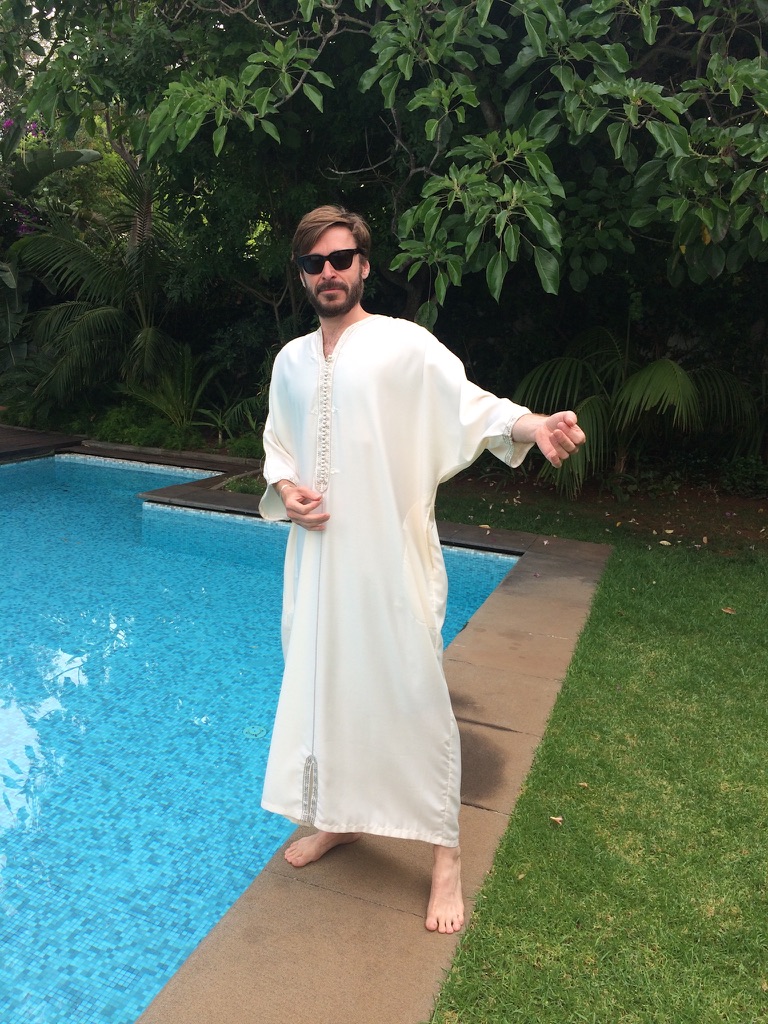
Experiencing the recent Gnawa ritual at Savvy Contemporary in Berlin-Wedding brought back many memories from my journey through Morocco in 2018.
But more than nostalgia, it confirmed something I’ve been realising over the past years: my musical identity has never been defined by genres. It has always been shaped by certain principles of listening.
For as long as I can remember, I’ve been fascinated by music built on repetition rather than constant change. Music that creates excitement not by introducing new ideas every few seconds, but by carefully shifting energy over long periods of time. Twenty or thirty minutes can feel like a single composition when every tiny variation matters.
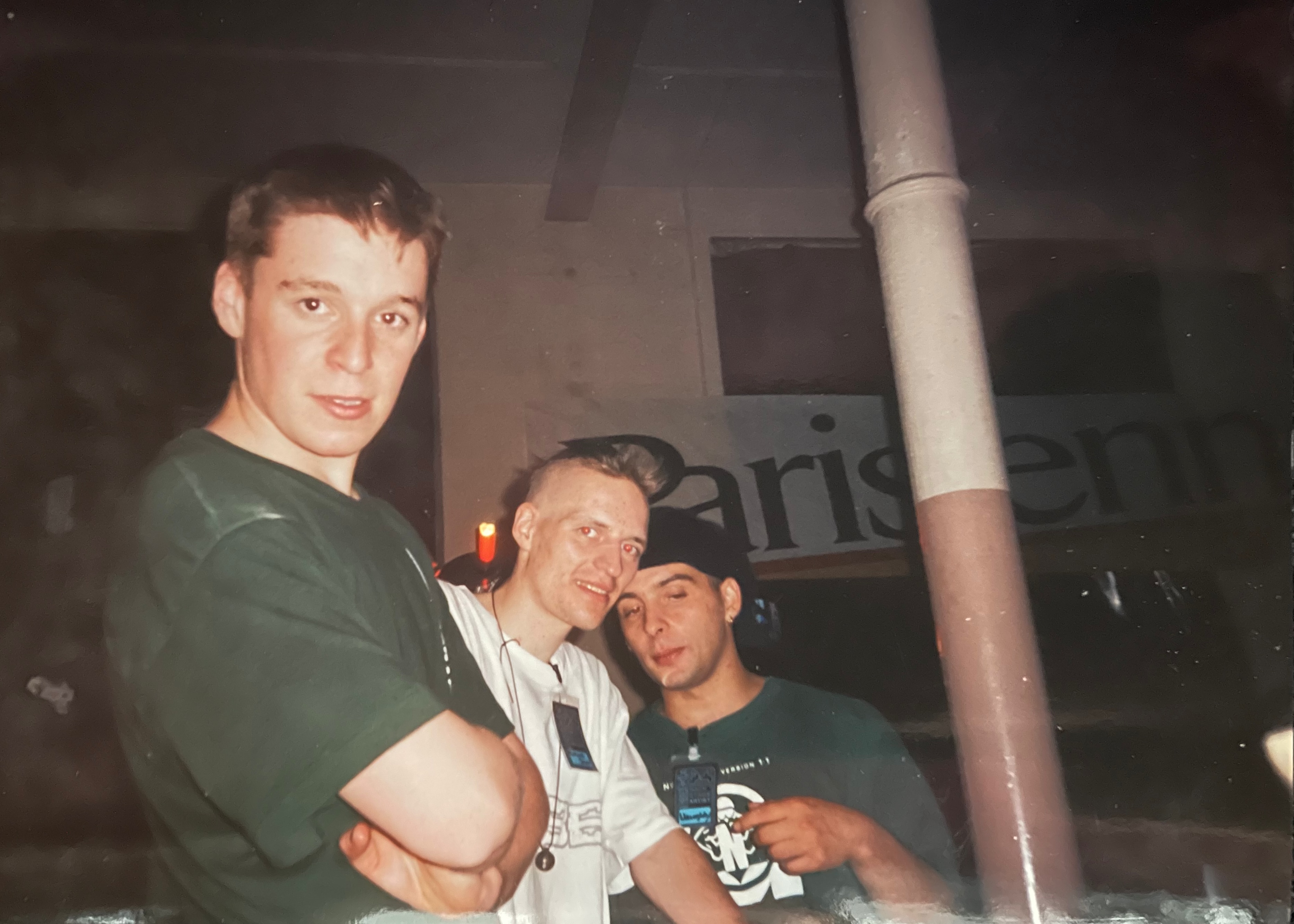
Looking back I first experienced this state of mind in the early 1990s while dancing - completely sober - to techno at Club Douala in Ravensburg and at our illegal raves inside the abandoned French barracks in Friedrichshafen. Those nights introduced me to a way of listening that was almost physical. Time dissolved. Individual tracks became irrelevant. What mattered was the collective experience created through rhythm, patience and sound. Reaching a meditative state of mind only dancing.
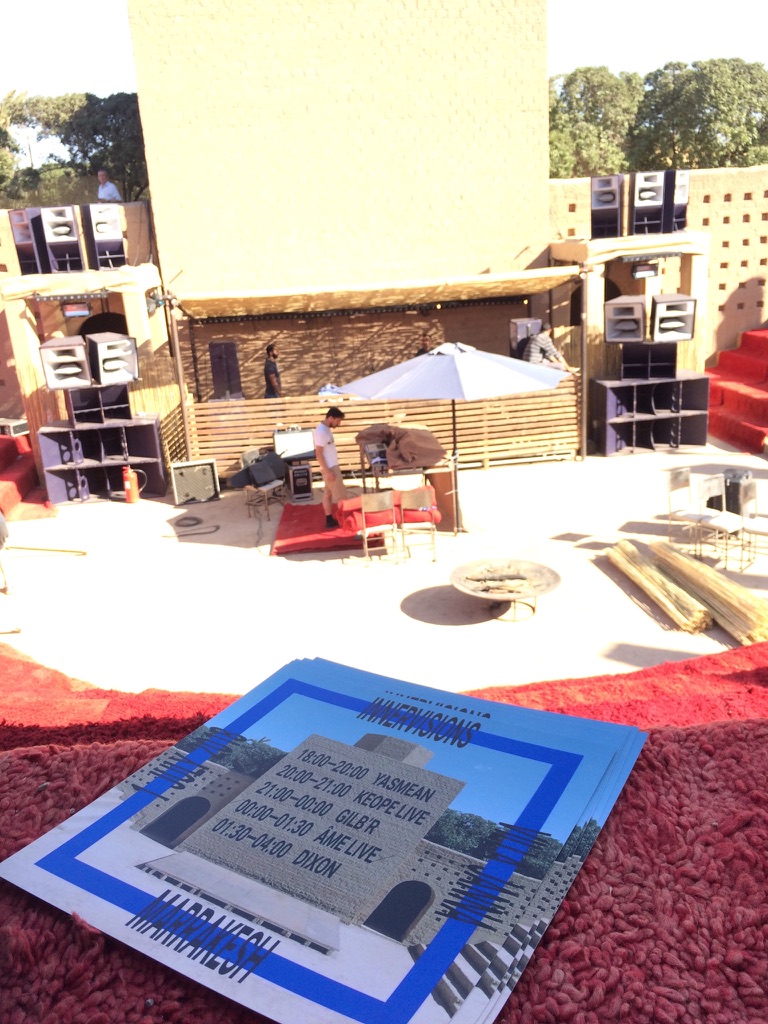
Years later, while travelling to Marrakesh with KEOPE to perform at a 'Lost in the Moment' / Innervisions event, I attended my first traditional Gnawa ceremony.
12 musicians performed throughout the night while participants danced around a campfire. Although the musical language was entirely different, something felt strangely familiar.
The recent ritual in Berlin made that feeling even clearer.
What surprised me most was not the music itself but the fact that its power remained completely intact outside its geographical origin. Thousands of kilometres away from Morocco, the ritual still carried the same patience, the same intensity and the same sensation of time slowly disappearing.
The relentless metallic pulse of the Qarqeb, played by eight to ten musicians sitting on the floor, created a continuous sonic foundation. Above it floated hypnotic call-and-response vocals and the deep, earthy sound of the guembri. Rather than individual melodies, it was the interaction between repetition and subtle transformation that created the emotional journey.
As dawn approached, Wiebke Deertz and I were still dancing, occasionally interrupted only by handfuls of dates and olives shared among the participants before the ceremony gently concluded with sunrise.
Experiences like these remind me that my attraction to music has never been limited to one culture.
Whether I find myself inside a techno warehouse, at a Gnawa ceremony, or rehearsing with my new improvised Kosmische project in Berlin, I keep returning to the same musical ideas: repetition, gradual transformation and collective immersion.
The more I travel through different musical cultures, the less interested I become in genres.
Instead, I find myself searching for the universal principles that connect them.
For me, music has never primarily been about style. It has always been about creating spaces in which time begins to dissolve.
References
+ Keope