
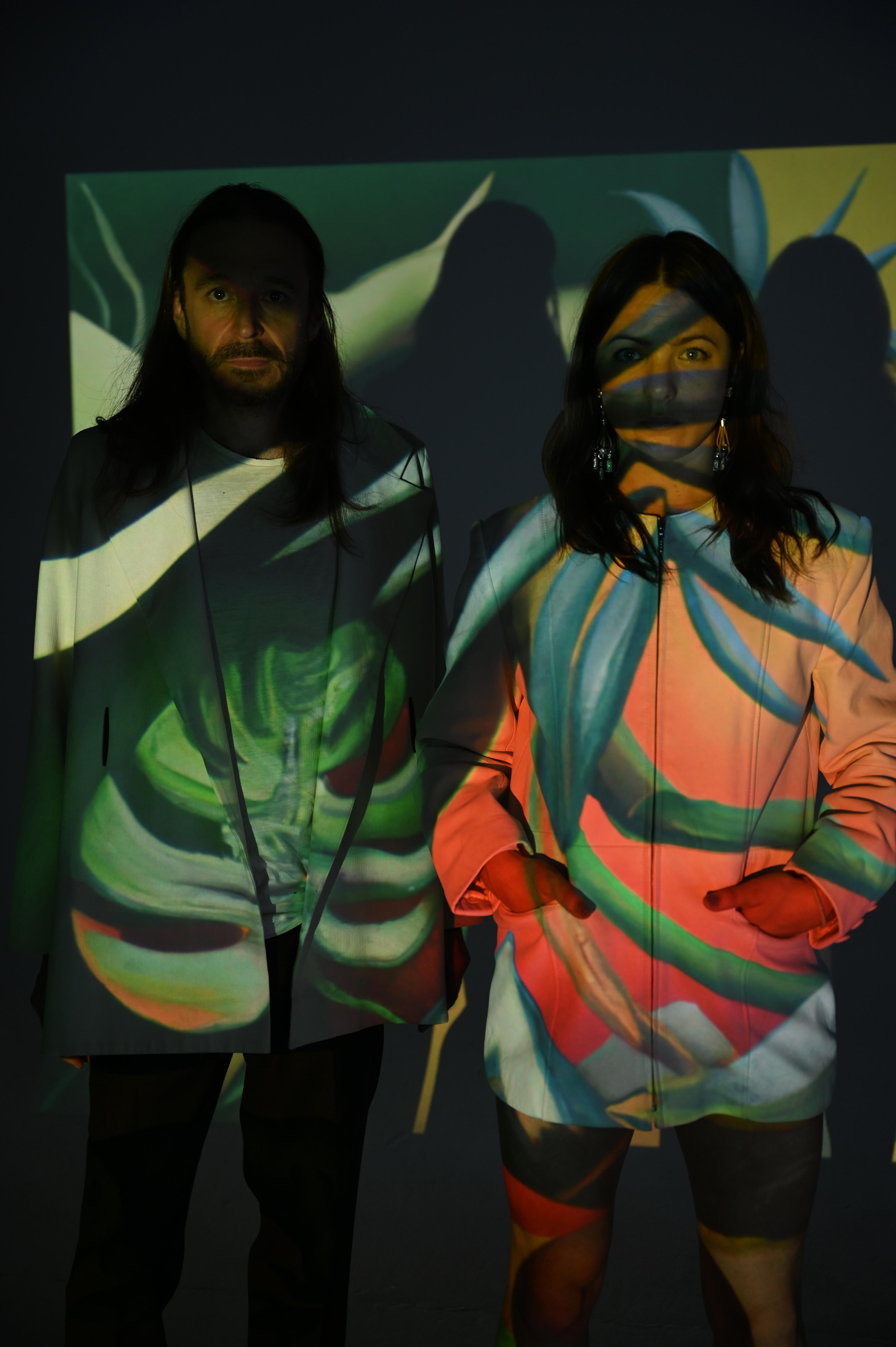
There are endless ways of creating music. When I started in the early 90’s with a 707, Polysix and a Mackie we had to figure out everything ourselves. No YouTube, no Splice, no Song Starter feature. Fast forward to 2026 and the problem is almost the opposite: too many possibilities.
For our album the instrument that inspired me the most nearly had no possibilities.
Nearly all core ideas on our album Moonburn were done in iMaschine - a discontinued beatmaking app from Native Instruments for the iPhone.
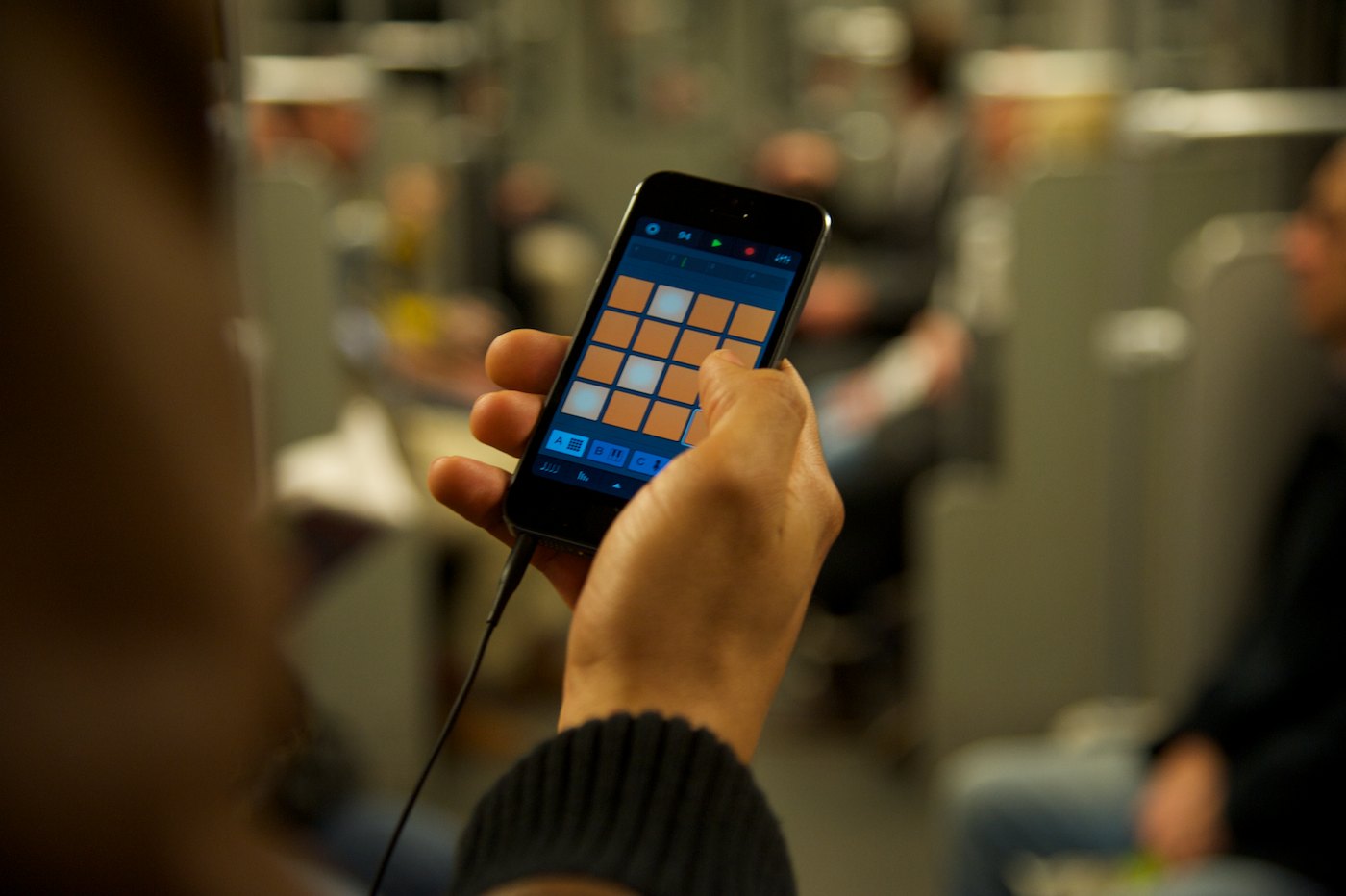
I really love iMaschine (R.I.P.). So much that I did my own version of it in Rork. It’s one of my favorite pieces of kit that came out during the glorious days of Native Instruments I was lucky to be part of.
I also love Battery, Guitar Rig and of course the mothership Reaktor. But that little beatmaking app is just so straight-forward but at the same time has all that’s needed to make a great sounding sketch.
It took me a long time to understand why my ideas on iMaschine were so much better than the music I did on Logic, Ableton or the other DAW‘s back then. With iMaschine - and nowadays with the DSI Tempest - it’s about fully focusing on what my ears signal to my brain and makes me feel good, and not what my eyes tell me looks good.
I was literally addicted to iMaschine after Michael Kurz presented his first draft to the company in 2010. I remember recording percussion sounds by shaking the iOS device with my hand using that accelerometer feature which Apple wanted to indirectly promote through their 3rd party app developers. However, that feature got removed before iMaschine 1.0 dropped in October 2011, together with the launch video I did with Jamie Lidell in Nashville.
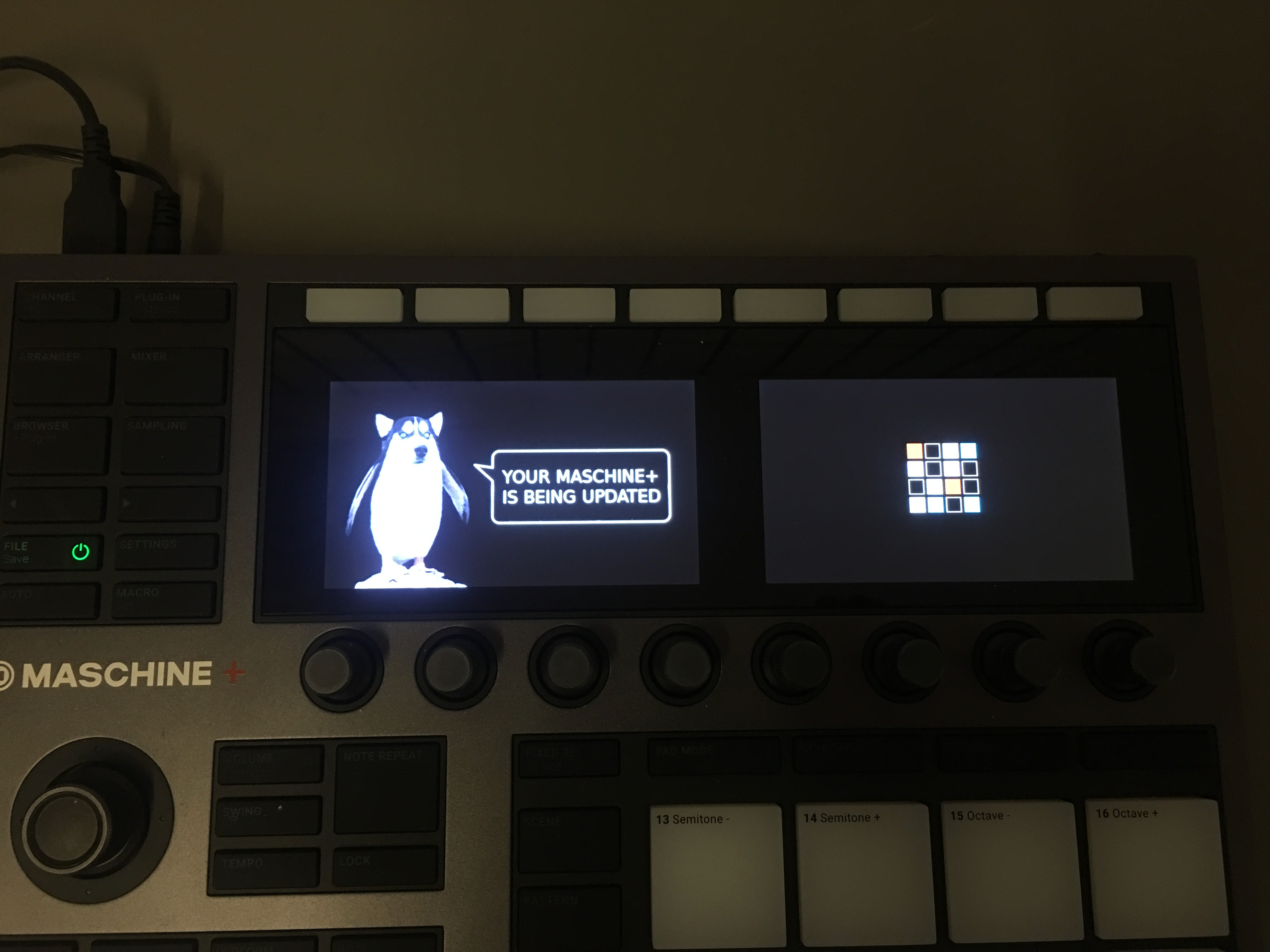
Originally iMaschine should have been released half a year earlier, in spring 2011. However, as the “Export project to Maschine” feature of the iOS app needed new lines of code in the “big” Maschine and the 1.7 software was delayed, we also needed to delay the release of iMaschine.
That gave us the necessary time to provide artists around the world with the nearly finished app. Jamie Lidell, who I knew from releasing our Meteorites album on his & Cristian Vogel’s Super Collider label, was the first who got back to me saying that he loved the app and was up for doing a video.
During that time I was already traveling a lot to the US, mostly to Atlanta and Los Angeles, to work on making the Maschine brand popular in the US. When Maschine originally came out in 2009, it didn’t really take off as expected. Native Instruments was mostly addressing European techno and electronic music producers who prefer xox-style step sequencing instead of playing organically on a 4x4 pad matrix. The company culture at that time was very much dominated by DJs, techno and underground dance music.
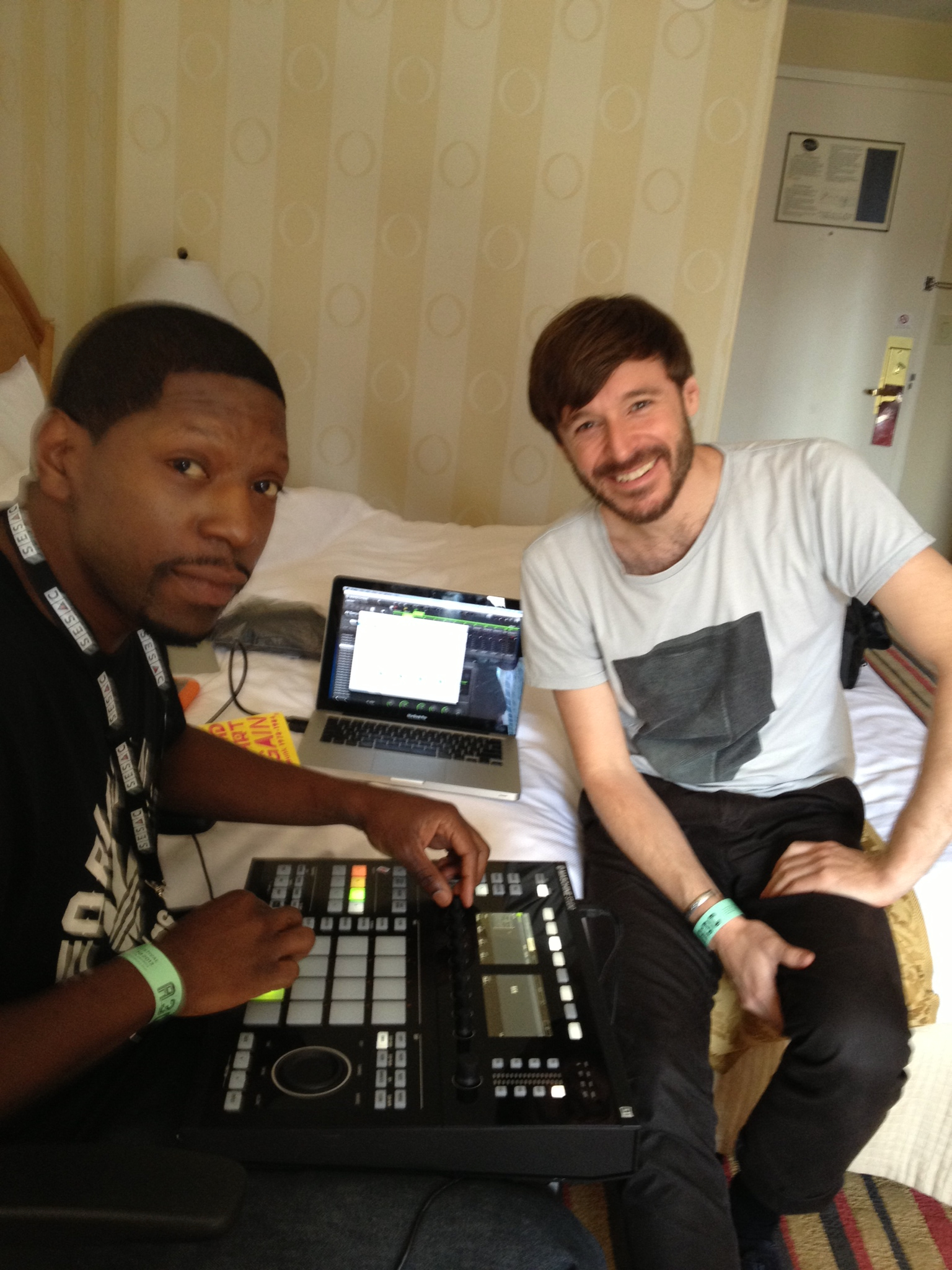
For me however, being the Rhythmechanic and having previously produced two albums with the MPC (one with Meteorites and the other one with Matias Aguayo), I was instantly in love with the concept of Maschine.
Finally there was a kind of Battery plug-in with a dedicated hardware controller that let you do the entire beat in a tactile and organic way while still having the advantages of a computer. So naturally it was a pleasure for me to travel the globe to meet artists and convince them of the new groovebox, and to then film them sharing their personal story.
So one day I flew to Nashville to film Jamie Lidell in bed performing one of his songs live in one take on an iPod Touch.
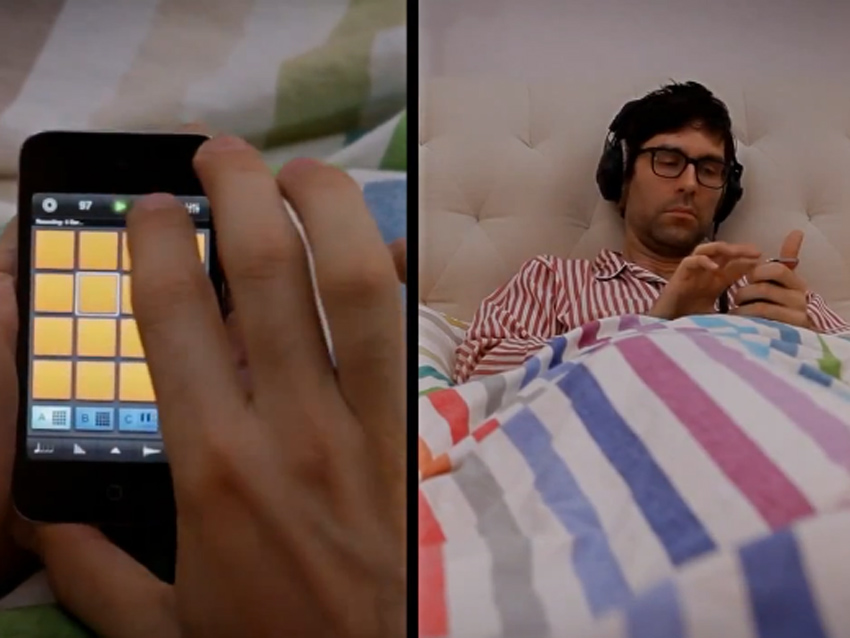
Originally the idea was filming outside while having a barbecue, that typical thing you do in Nashville. But that Sunday in August it rained and we needed to find a new location. And what else than other than being in bed making music on a Sunday morning when it’s raining outside.
Another funny anecdote is that the take (I think it was number 9) we finally chose for the video because it had the best musical performance, was the one Lindsey, his wife, needed to go to the toilet. But as we used that split-screen we could cover the empty bed.
I mean, it was a pretty straight forward production: it was a one take with a split screen and a little ending sequence. The audio was recorded directly from the iPod Touch 3.5mm output (we used a y-splitter cable to go to Jamie’s headphones and into the Zoom recorder) and the visible second camera on a tripod behind Jamie was masked in post. It was Jamie’s performance that made the difference.
The video became a hit.
Many artists and musicians were so inspired by it as it looked so easy and fun how Jamie did it. Only later people realized that making music on that little device wasn’t quite as easy as Jamie made it look. But anyhow, the video did its job and made a lot of people try their luck making beats on the go (iMaschine actually went straight to no. 1 in the music app charts when it was launched).
But limitations are what makes great art. Not hundreds of plug-ins and gigabytes of sample packs on your hard drive.
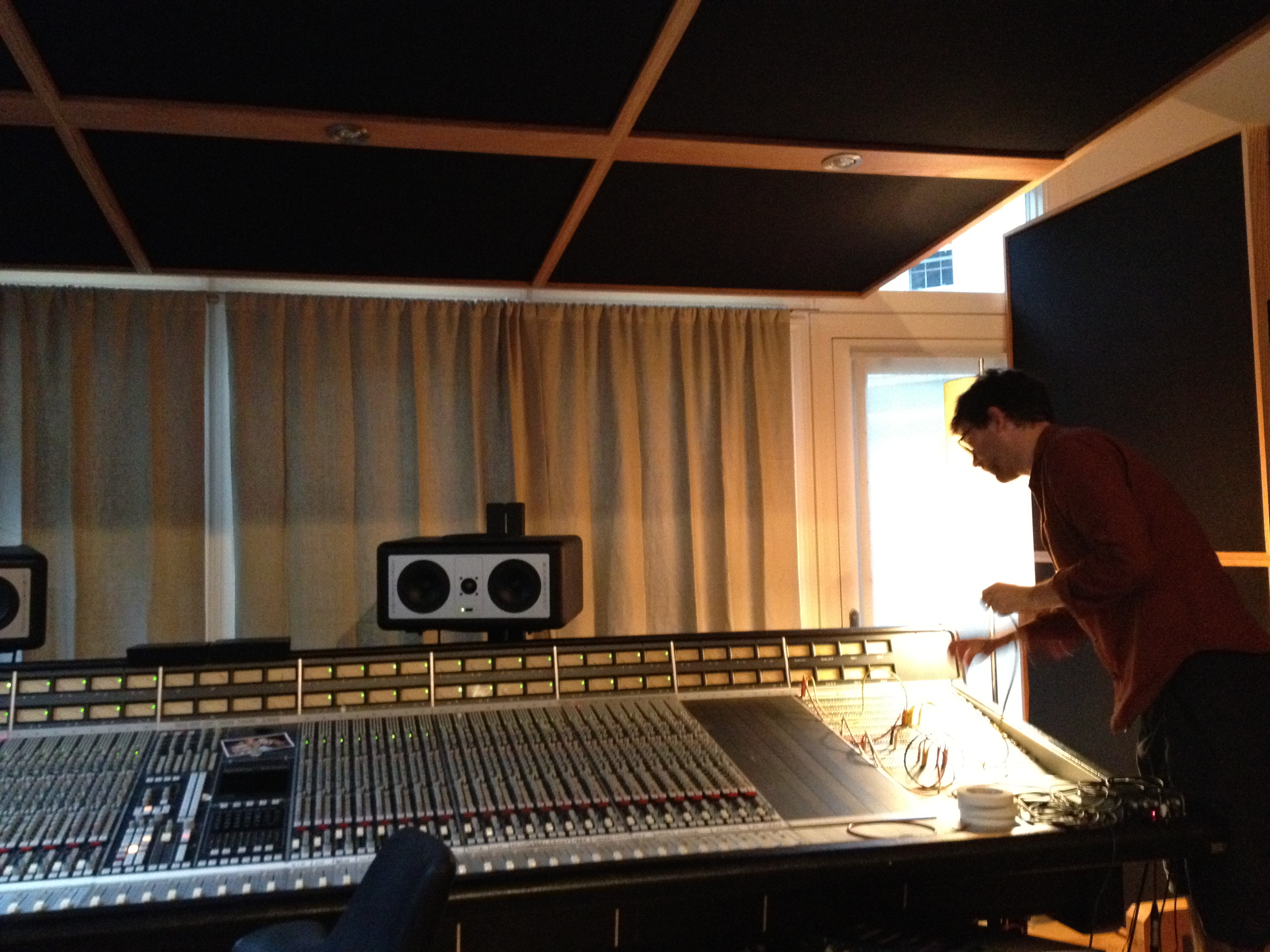
Before all my travels back then, I meticulously listened, edited and chopped the latest sounds I got from my NI sound design colleagues, who worked on those gigabyte heavy monsters of Kontakt multi-sampled instruments which got more and more popular. For me the opposite was interesting at that point: I wanted those 1-2 second short and 300kb light one-shot wav‘s into my iMaschine user sample folder on the iPhone.
So all my ideas were based on self-made one-shot samples loaded into one of the 4 groups on iMaschine - consisting of either a keyboard, an audio track or a 16 drum pad mode - to then make a 2-3 minute long loop that keeps interesting for hours.
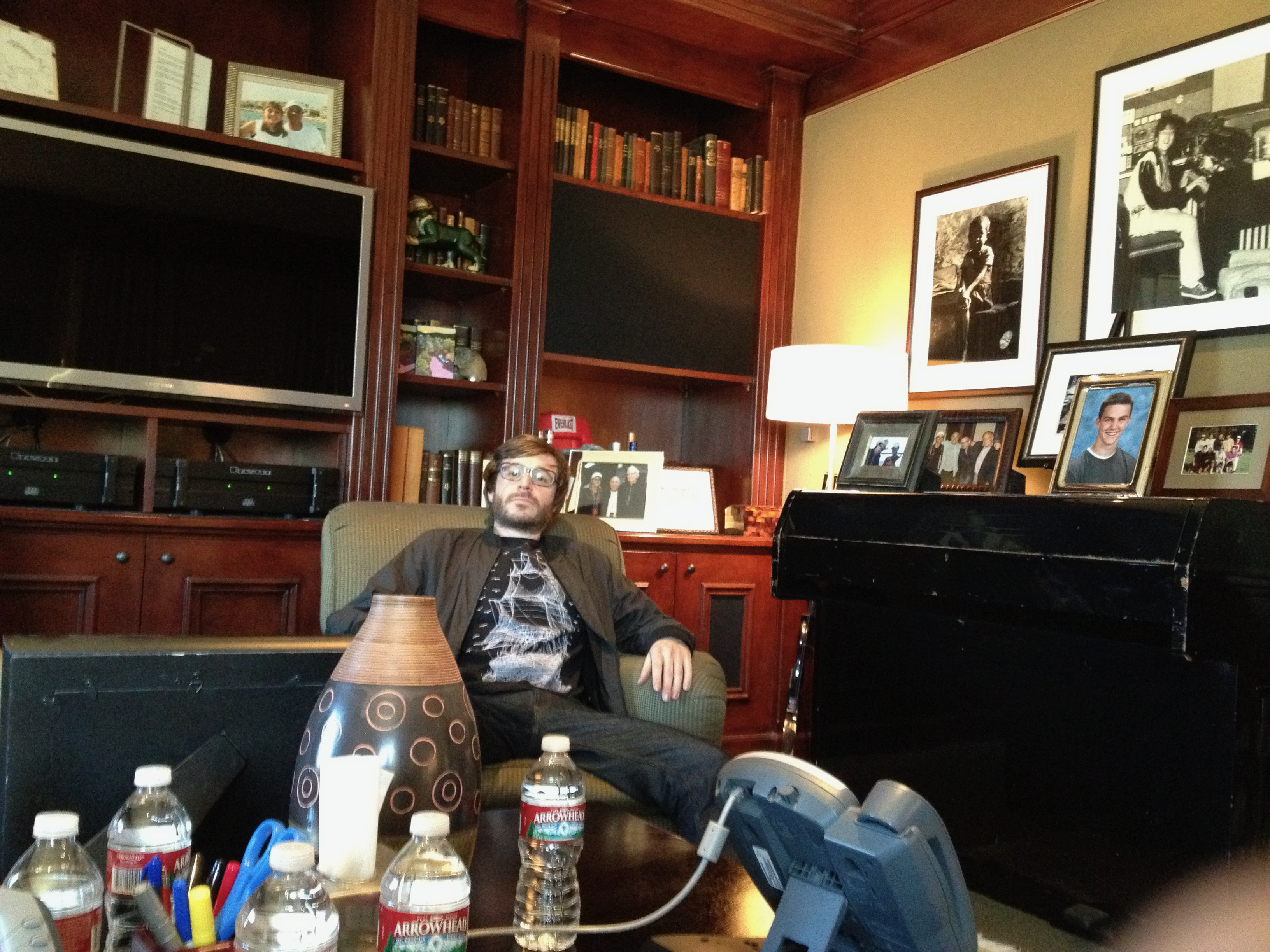
During those many flights back then I was making beat sketches on my tiny telephone with the first generation of Beats by Dre headphones. Robert Linke (now CPO of Image Line) and I each got a pair of those first generation ‘multi-band-compressor’ headphones when visiting the nice folks at Interscope back then. We actually sat in Jimmy Iovine’s office with Lady Gaga being downstairs in the studios producing with the then still relatively unknown German producer Zedd.
This hard limitation of just having a maximum of 19 different sounds available in one project - three melodic instruments which mostly resulted in a bass line and two melodies, plus one group playing 16 percussion sounds on the same pitch - made it so challenging and rewarding at the same time.
I really had to think twice about what next sound I loaded and was at any time conscious of only keeping the ideas that really matter. It’s so easy to make your productions full with sounds, add layers upon layers of beats, melodies and chords but completely miss out on forging the spine of the piece.
The iMaschine loops were the foundation, but many of those sketches just stayed in my bounce folder for years. Until I started making music with Laura.
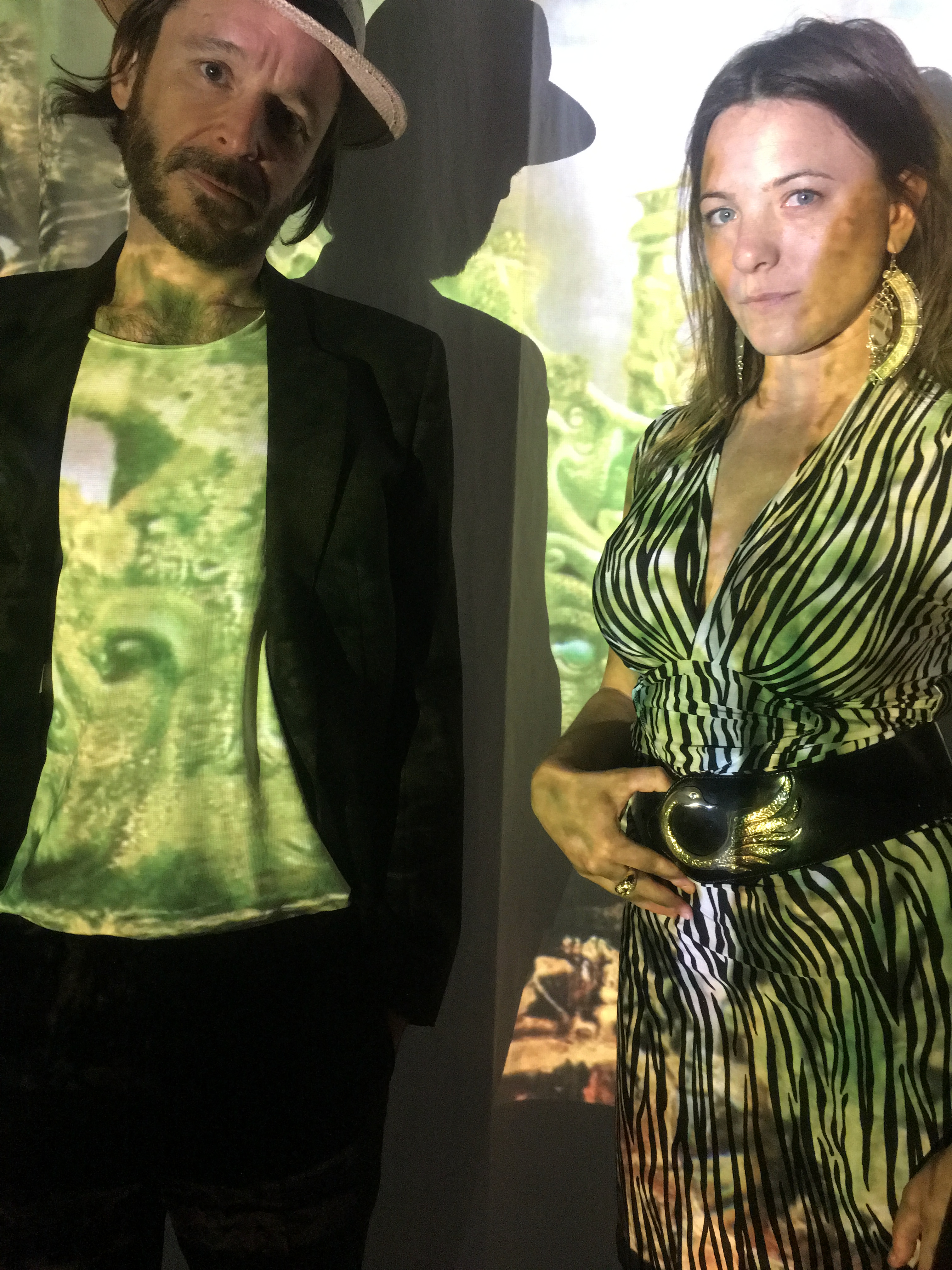
Of course I tried a lot of different sounds, in particular using all my beloved analog synths, effects and of course Laura’s amazing voice. However, songs like Acercate are basically the iMaschine beat (called Denver, as I was traveling to Denver when I originally made it in 2014) and Laura’s vocals on top.
Laura was very spot on when choosing my beat sketches for her lyric ideas. I played her many of the loops I had in my bounce folder and she instantly knew which one she wanted. She looped the loop in Bandlab and worked on her vocals by singing into the microphone of her tablet. Then she came back with her favorite ideas and we properly recorded them in the studio.
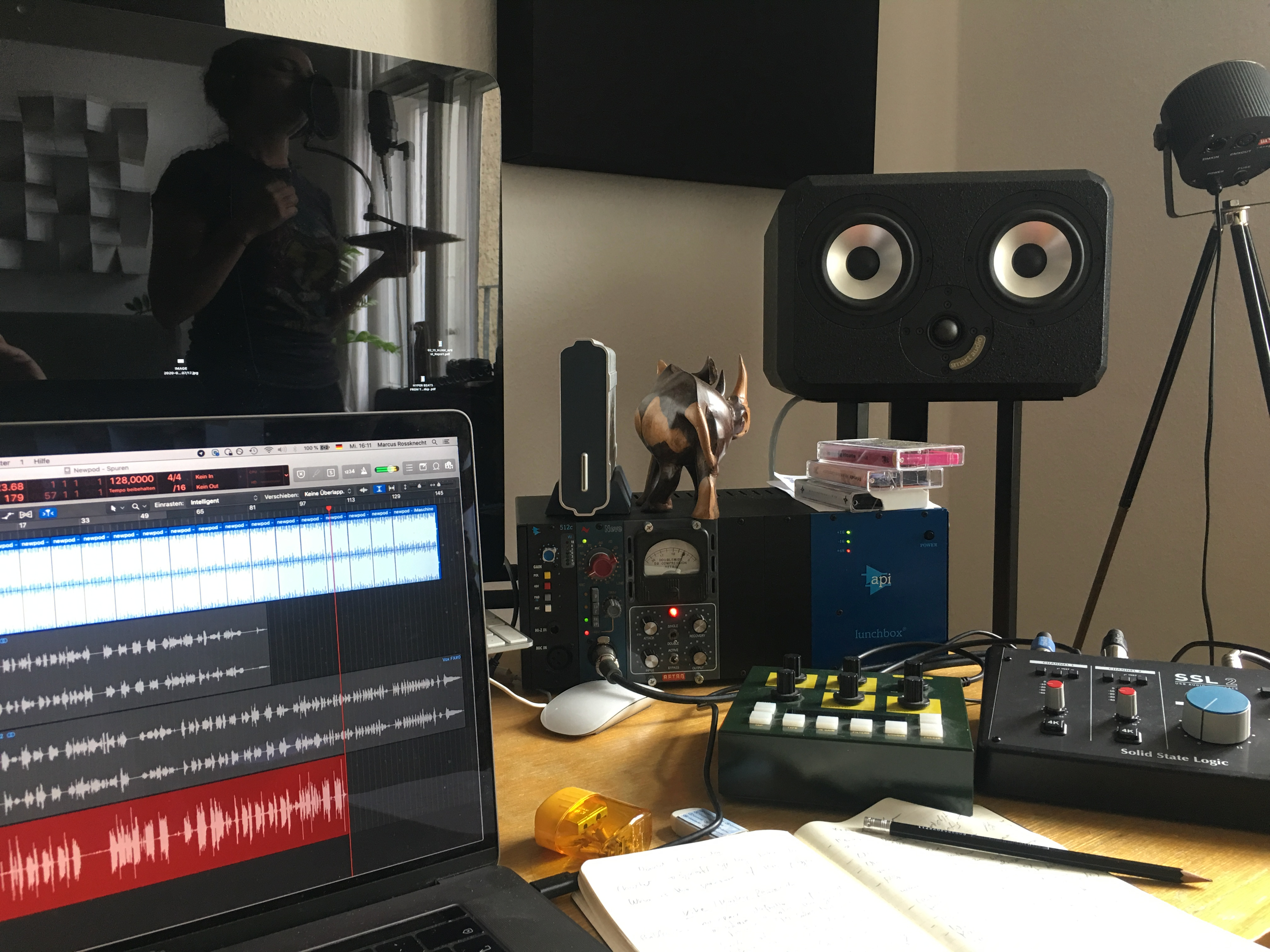
And this is where those old beat sketches became something else. Laura’s lyrics, melodies and her very own way of singing gave them a meaning and identity they didn’t have before. Once the beat and vocals came together, they were not my old iMaschine loops anymore, but the beginning of our songs.
From there, we went on that long journey of finding the core of each piece and developing everything into full blown songs. Our process was very productive although we also had our detours on the way and sometimes got lost for a bit.
Developing those songs from simple 4 or 8 bar loops to finished productions in the studio is what I love. Diving deep into sine waves, transients and textures. Ultimately I want people to move their bodies and dance.
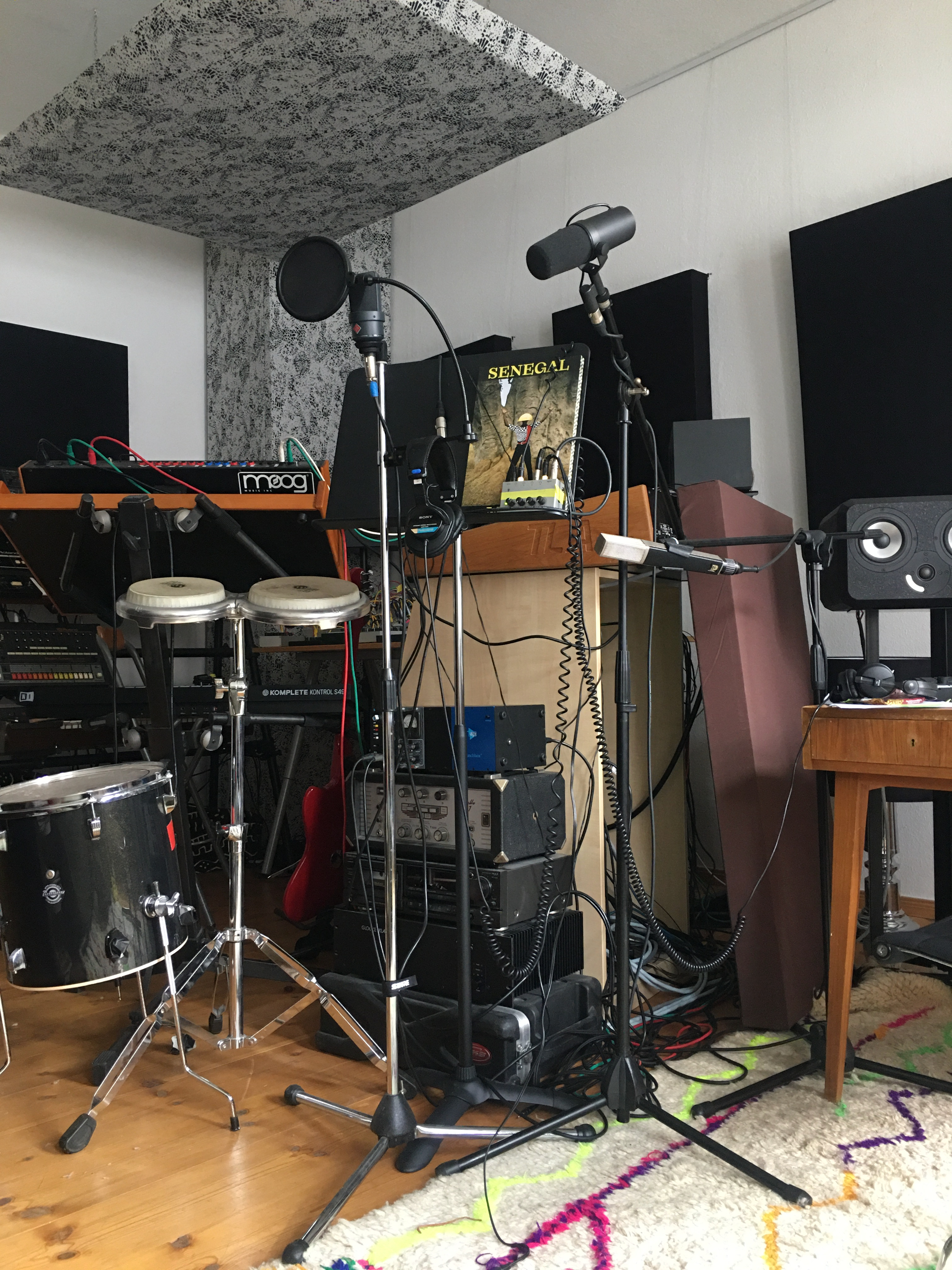
So a little loop made on an iPhone on the way to Denver in 2014 can sit there for years, only later meet the right voice that fits, and eventually become a record.
Maybe that’s exactly why I still miss iMaschine.
Laura Largillier & Marcus Rossknecht La Verdad No Respira out now. The full album Moonburn will be out on 23rd of October 2026. Released on Groove Script Records.
References
+ Laura Largillier & Marcus Rossknecht La Verdad No Respira
+ Jamie Lidell iMaschine video my original directors cut
+ Native Instruments releases iMaschine for iOS — KVR Audio, October 2011
+ (Rork) - Create mobile apps by chatting with AI (https://rork.com/)